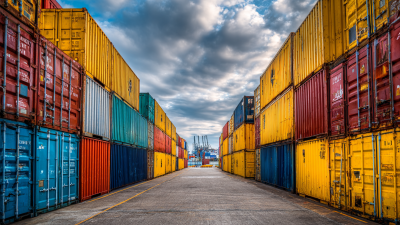
Top Benefits of Using Construction Containers for Your Next Project
The construction industry has seen a significant transformation in recent years, with innovative solutions reshaping project management and logistics. One of the most promising advancements is the use of construction containers, which have become essential components for modern construction projects. According to a report by the Containerization International, over 80% of the world's trade is now carried out using shipping containers, demonstrating their efficiency and versatility across various sectors, including construction.
Construction containers offer a multitude of benefits that enhance project efficiency, safety, and flexibility. Their modular design allows for easy transportation and quick setup on job sites, resulting in reduced downtime and lower operational costs. A study conducted by the National Institute of Building Sciences indicates that employing standardized construction methods, including the use of containers, can save up to 15% in labor costs while also accelerating project timelines. Moreover, the durability of construction containers ensures that materials and equipment are safeguarded against adverse weather conditions, thereby promoting a safer work environment.
As the demand for sustainable building practices continues to rise, the adoption of construction containers presents an eco-friendly alternative. These containers can be repurposed and recycled, contributing to the reduction of construction waste. In fact, research from the World Green Building Council reveals that adopting sustainable building methods can lead to resource savings of up to 40%. As construction projects increasingly prioritize sustainability and efficiency, the benefits of using construction containers become increasingly apparent, positioning them as an integral asset in modern construction practices.
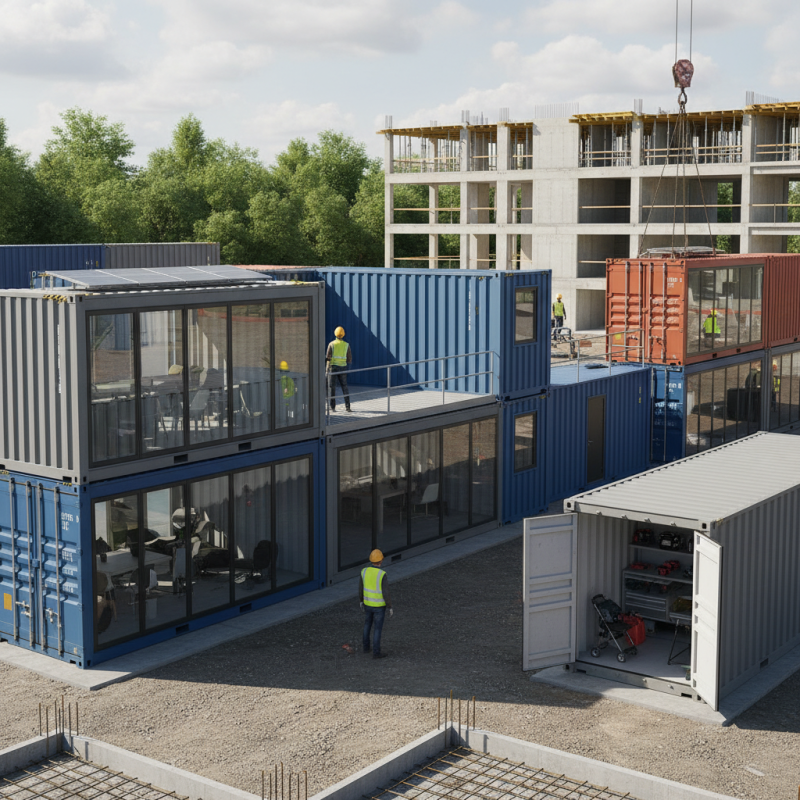
Benefits of Construction Containers for Project Flexibility and Adaptability
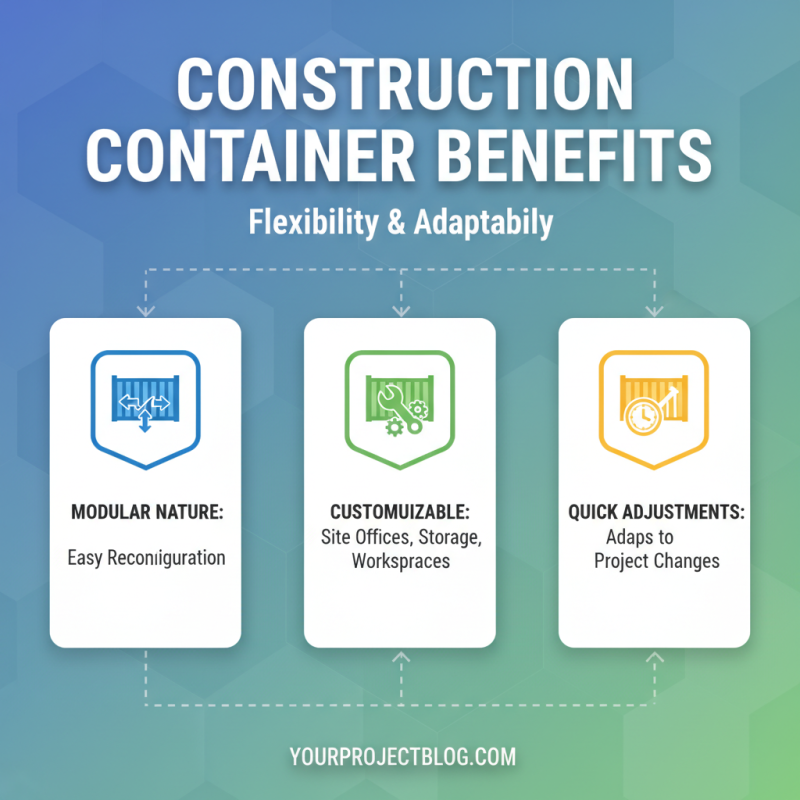
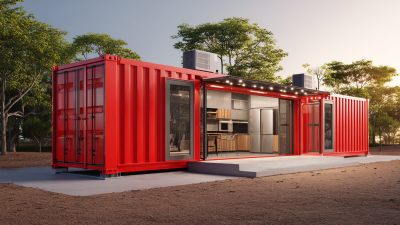
The use of construction containers offers significant benefits in terms of flexibility and adaptability for various projects. One of the primary advantages is their modular nature, which allows for easy reconfiguration according to the specific needs of a project. Whether it's a temporary site office, storage solution, or a customized workspace, construction containers can be modified to fit diverse requirements. This adaptability not only enhances functionality but also facilitates quick adjustments as project demands change.
Moreover, construction containers can be relocated with relative ease, making them ideal for dynamic project environments. As project scopes evolve or new areas need to be accessed, these containers can be transported to different locations without the need for extensive dismantling or reconstruction. This mobility allows teams to respond promptly to challenges and opportunities that arise during the project lifecycle. Consequently, the use of construction containers contributes to improved project efficiency and effectiveness, enabling teams to focus on their core tasks rather than being bogged down by logistical concerns.
Cost-Effective Solutions: Saving Money with Construction Containers
Construction containers have emerged as a cost-effective solution for a variety of projects, offering flexibility and efficiency that can significantly reduce expenses. According to a report by the Modular Building Institute, utilizing modular and portable container solutions can save up to 25% on project costs compared to traditional construction methods. This is largely due to reduced labor costs, as container modifications can be completed off-site and delivered ready for use, minimizing on-site construction time.
Another significant financial benefit comes from reduced waste and resource management efficiency. The reuse of containers minimizes the need for raw materials, thereby lowering material costs by an estimated 30% according to the U.S. Green Building Council. By opting for construction containers, projects align with sustainable practices while also keeping budget constraints in check.
Tips: When considering construction containers for your project, ensure to assess the layout and design early on to maximize the use of space. Additionally, always evaluate the location for accessibility and transportation costs, as these factors can impact overall savings. Lastly, stay informed about local regulations regarding container modifications to avoid unforeseen expenses.
Enhanced Security Features of Construction Containers on Site
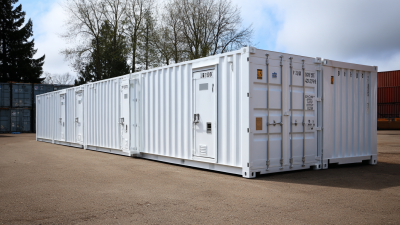
Construction containers have become a vital asset on construction sites, especially when it comes to enhancing security features. A survey conducted by the National Association of Home Builders (NAHB) reported that nearly 70% of construction firms have experienced job site theft in the past year alone. This alarming statistic highlights the urgent need for effective security measures. Construction containers provide a robust solution, as they are specifically designed to be resilient and difficult to break into, making them a formidable barrier against potential thieves.
Furthermore, construction containers come equipped with advanced security features such as reinforced locks and tamper-proof seals. According to a report from MarketsandMarkets, the global construction security market is projected to witness significant growth, driven primarily by the rising need for improved security on job sites. By utilizing shipping containers, construction companies can not only safeguard their tools and materials but also reduce liability and downtime caused by theft-related incidents. A container's mobility allows for easy relocation across sites, ensuring that valuable assets remain protected no matter their location.
The benefits of enhanced security extend beyond theft prevention. A report by the Associated General Contractors of America (AGC) found that secure job sites tend to improve employee morale and productivity. When workers know their equipment is secure, they can focus better on their tasks without the constant worry of theft or vandalism. Consequently, investing in construction containers not only secures physical assets but also fosters a more productive and trusting working environment.
Sustainability and Environmental Impact of Using Construction Containers
The use of construction containers has gained significant traction in the industry, primarily due to their sustainable attributes. According to the World Green Building Council, the construction sector is responsible for 39% of global carbon emissions. By utilizing construction containers, companies can reduce their environmental impact significantly. In fact, studies suggest that repurposing shipping containers as building materials can lower energy consumption by up to 50%. This not only curtails greenhouse gas emissions but also minimizes the demand for traditional construction materials, which are often resource-intensive to produce.
Construction containers also offer a practical approach to waste reduction in the building process. The World Economic Forum reports that nearly 1.3 billion tons of construction waste are generated each year, a figure that is expected to rise by 70% by 2025. By opting for containers, projects can divert a substantial amount of waste from landfills. Containers can be modified and reused for multiple purposes, leading to a circular economy in construction. Their durability ensures they have a long lifespan, providing an efficient solution that aligns with the increasing global emphasis on sustainability and responsible resource management.
Streamlined Logistics: Efficient Transportation and Storage Solutions
When it comes to construction projects, effective logistics can significantly impact both time and budget constraints. Utilizing construction containers offers streamlined solutions for transportation and storage, ensuring that materials and equipment are easily accessible when needed. According to a recent industry report by the Container Owners Association, the use of modular containers can reduce transportation costs by up to 30%, making them a financially savvy choice for project managers.
Furthermore, these containers are designed to provide secure storage, reducing the risk of theft and damage to valuable materials. A study by the International Organization for Standardization (ISO) highlights that over 95% of construction executives see value in using portable storage solutions to maintain project timelines and safeguard assets. This enhanced security, paired with the mobility of containers, allows for seamless transitions between various stages of construction, thereby improving overall efficiency.
Tips: Always assess the dimensions and requirements of your project to select the appropriate container size. Additionally, consider leveraging local suppliers for transporting containers to minimize costs. Utilizing containers for onsite storage can help to centralize resources, reducing downtime and increasing productivity. Incorporating these strategies can lead to smoother operation and successful project completion.