Top 10 Benefits of Using Large Containers for Shipping and Storage
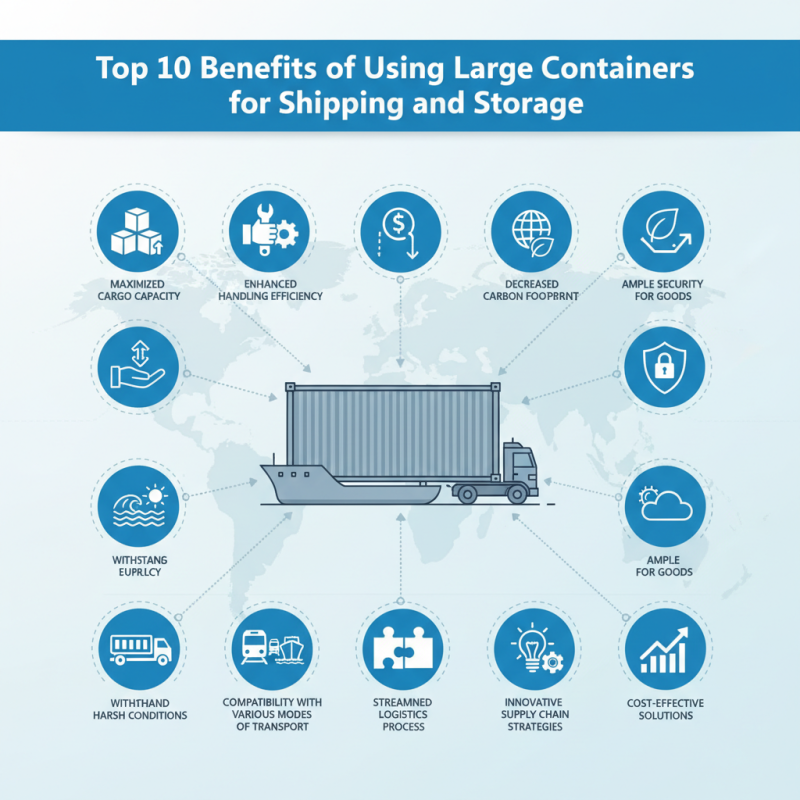
In today's rapidly evolving logistics and supply chain landscape, the use of large containers has become increasingly essential for efficient shipping and storage. According to a report by the International Maritime Organization, approximately 90% of global trade is carried by sea, underscoring the critical role that large containers play in facilitating international commerce. These containers, typically exceeding 20 feet in length, not only maximize cargo capacity but also enhance handling efficiency, leading to reduced transportation costs.
Furthermore, a study by the World Shipping Council highlights that utilizing large containers can significantly decrease the carbon footprint per unit of cargo transported, as they allow for optimized load management and reduced trips. The advantages of using large containers are manifold; from their ability to withstand harsh environmental conditions and provide ample security for goods, to their compatibility with various modes of transport, which streamlines the entire logistics process. As industries continue to seek sustainable and cost-effective solutions, understanding the benefits of large containers becomes paramount in driving innovative supply chain strategies.
Advantages of Large Containers in Shipping and Storage
Using large containers for shipping and storage offers significant advantages that enhance logistical efficiency and resource management. One of the key benefits is increased capacity, allowing businesses to transport a larger volume of goods in a single shipment. This not only reduces the number of trips required but also minimizes fuel consumption and lowers overall transportation costs. Furthermore, large containers are designed to maximize space utilization, ensuring that products are securely stored without wasted space, which is crucial for managing inventory effectively.
Another advantage is the versatility of large containers in various environments. They can be used for a wide range of products, from perishables to heavy machinery, accommodating different shipping requirements and conditions. Their robust construction provides enhanced protection against external elements, reducing the risk of damage during transit and storage. Additionally, large containers facilitate easier loading and unloading processes, streamlining operations at warehouses and ports. This efficiency ultimately leads to quicker turnaround times and improved supply chain performance, making large containers a preferred choice for many businesses in the shipping and storage sectors.
Top 10 Benefits of Using Large Containers for Shipping and Storage
| Benefit |
Description |
| Space Efficiency |
Large containers maximize storage space by accommodating more items per shipment. |
| Cost-Effective |
Bulk shipping is generally cheaper than multiple smaller shipments, reducing overall costs. |
| Improved Security |
Larger containers are typically more secure and harder to break into, protecting valuable goods. |
| Versatile Use |
Can be used for various types of goods, including perishables, machinery, and raw materials. |
| Reduced Carbon Footprint |
Fewer trips are needed for large shipments, which lowers emissions associated with transportation. |
| Easier Handling |
Standardized container sizes make loading and unloading operations more efficient. |
| Weather Resistance |
Containers are designed to withstand various weather conditions, protecting contents from damage. |
| Easy Tracking |
Modern containers often include RFID technology for better tracking of inventory and shipments. |
| Space for Specialized Equipment |
Large containers can accommodate specialized storage conditions, such as refrigeration units. |
| Increased Flexibility |
Flexible usage; can be used for storage at ports, warehouses, or on-site for businesses. |
Cost Efficiency of Using Large Containers for Transport
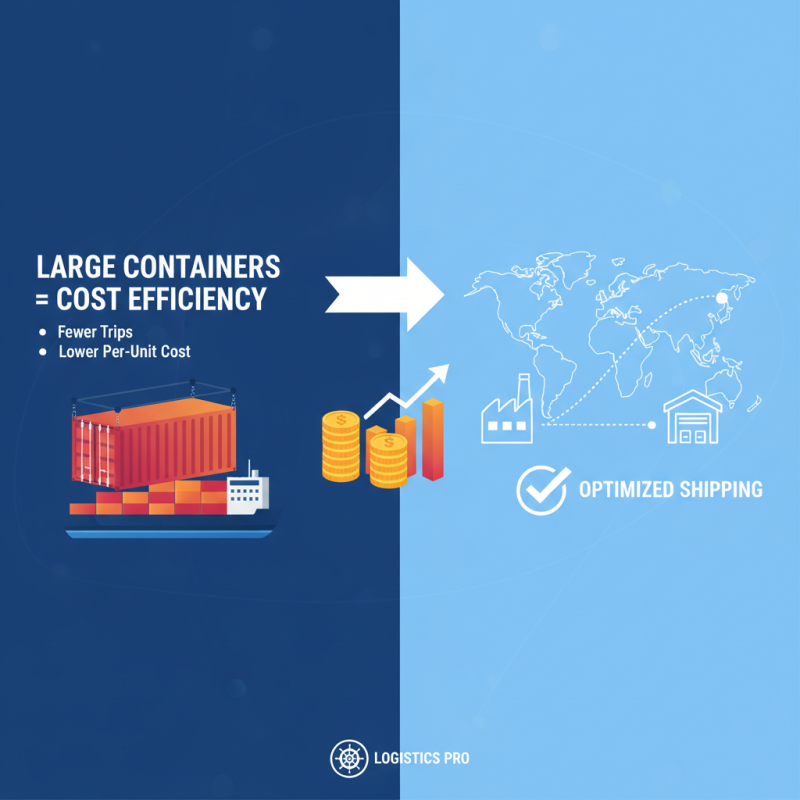
Utilizing large containers for transport significantly enhances cost efficiency, making it a favored choice for businesses seeking to optimize their shipping processes. One primary advantage is the reduction in per-unit shipping costs. Larger containers can accommodate a greater volume of goods, allowing companies to maximize the space during transit. This leads to fewer trips needed for shipping the same quantity of products, ultimately decreasing transportation costs and lowering the overall expenses associated with logistics.
Additionally, the use of large containers streamlines the supply chain, leading to increased operational efficiency. With increased capacity, businesses can consolidate shipments and reduce handling times, minimizing labor costs and the potential for damage during transfer. Furthermore, large containers often offer better protection for goods due to their robust construction, reducing the risk of loss and the associated costs of replacement or repairs. By employing large containers, businesses not only save on direct shipping expenses but also enhance their overall financial performance through improved logistics management.
Flexibility and Versatility of Large Container Applications
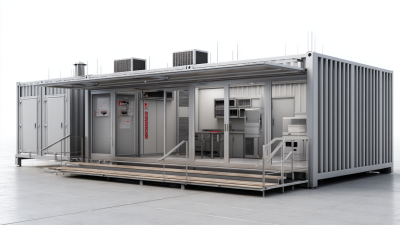
Large containers have revolutionized the shipping and storage industry, providing unparalleled flexibility and versatility across a variety of applications. From transporting goods across oceans to serving as temporary or permanent storage solutions, large containers adapt to meet diverse needs. This adaptability is particularly advantageous for businesses that may require a quick pivot in their logistics strategies. For instance, large containers can easily be modified into mobile offices or on-site storage units that accommodate fluctuating inventory levels.
When considering large containers for your shipping and storage needs, it's essential to focus on maximizing their potential. One tip is to assess the specific requirements of your operations before choosing container sizes or configurations. Customization options are often available, allowing you to design a setup that perfectly fits your capacity and accessibility needs. Additionally, utilizing smart storage techniques within these containers can lead to efficient use of space, minimizing wastage and enhancing organization.
Another crucial aspect of large container versatility is their ability to offer scalability. Businesses can start with a few containers and gradually increase their number as demand grows. This approach not only saves costs but also allows for flexibility in response to market changes. Always keep in mind that regular maintenance and inspection of containers are essential to ensure their longevity and operational efficiency. By leveraging the flexibility of large containers, businesses can streamline their processes while adapting to changing circumstances in the shipping and storage landscape.
Enhanced Security Features of Large Shipping Containers
Large shipping containers offer numerous enhanced security features that make them an ideal choice for both shipping and storage. One of the primary advantages is their robust construction, typically made from heavy-duty steel. This material not only provides a physical barrier against unauthorized access but also withstands harsh environmental conditions, ensuring that the contents remain safe from external elements.
In addition to their durable construction, large shipping containers are often equipped with advanced locking mechanisms. These locks can include intricate designs that are difficult to pick, as well as the option for electronic tracking systems that monitor entry and exit. This level of security is particularly beneficial for high-value items, as it greatly reduces the risk of theft or vandalism during transit or while in storage. Furthermore, the size of these containers allows for an efficient organization of goods, making it easier to keep track of inventory and ensuring that everything is securely stored away from potential hazards.
Environmental Impact of Large Container Usage in Logistics
The environmental impact of using large containers for shipping and storage is a multifaceted issue that plays a crucial role in modern logistics. One of the primary benefits of large containers is their ability to maximize space efficiency. These containers allow for the transportation of larger quantities of goods while minimizing the number of trips required. This reduction in trips leads to lower fuel consumption and, consequently, decreased greenhouse gas emissions. By consolidating shipments, logistics companies can significantly lower their carbon footprint, contributing positively to environmental sustainability.
Furthermore, large containers are designed for reusability and durability. Unlike smaller packaging solutions that may be single-use, these containers are built to withstand various shipping conditions over extended periods. This durability not only reduces waste but also encourages recycling and repurposing initiatives within the logistics industry. As companies increasingly adopt sustainable practices, the usage of large containers aligns with broader efforts to minimize waste and promote efficient resource management, making a compelling case for their role in environmentally conscious supply chains.
Top 10 Benefits of Using Large Containers for Shipping and Storage
This bar chart illustrates the top 10 benefits of using large containers for shipping and storage, rated on a scale from 1 to 10. Each benefit is critical in enhancing logistics efficiency and reducing the overall environmental impact.