What Are the Best Freight Containers for Global Shipping?
In the realm of global shipping, the role of freight containers cannot be overstated. These containers come in various sizes and materials, tailored for specific shipping needs. Choosing the right freight containers is crucial for ensuring safe and efficient transportation of goods. A proper selection can lead to reduced costs and improved logistics.
Freight containers vary significantly in design and purpose. Each type serves distinct requirements, from perishable items to heavy machinery. It's important to consider factors such as durability, insulation, and security. Yet, many companies overlook these aspects, leading to potential losses. Understanding the unique qualities of each container type can enhance shipping effectiveness.
Moreover, the evolving market demands continuous adaptation. Shipping companies must remain flexible and informed about new technologies and designs. This can be challenging, yet it is vital for maintaining a competitive edge. Failure to embrace innovative freight containers may lead to missed opportunities in global trade.
Types of Freight Containers Used in Global Shipping
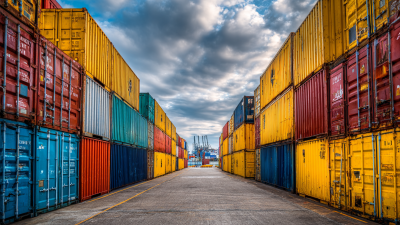
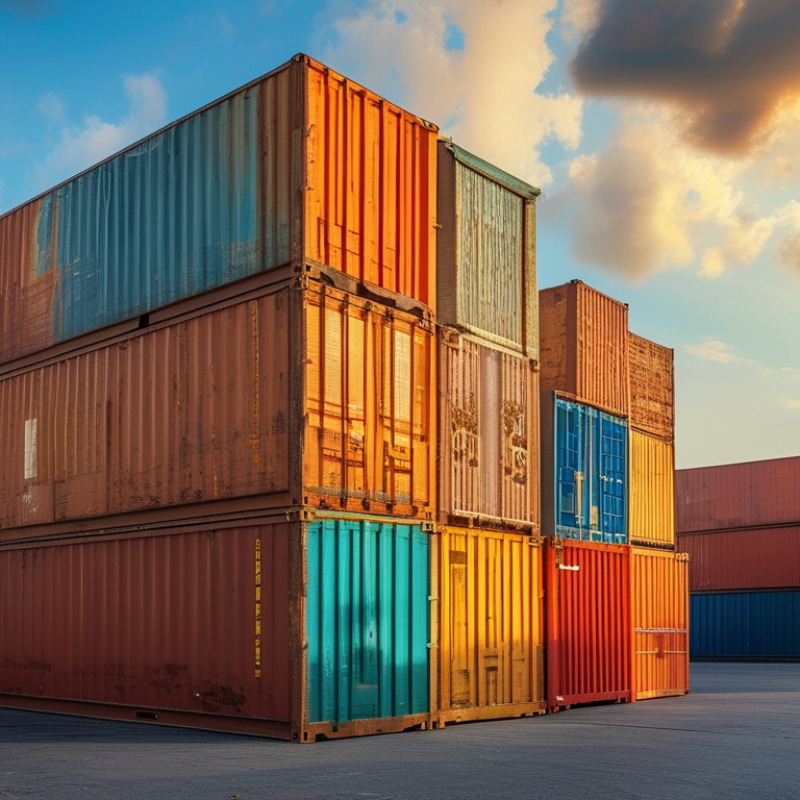
When it comes to global shipping, the type of freight container is crucial. Standard containers, often called dry containers, are the most widely used. They come in 20-foot and 40-foot sizes. These containers are versatile, accommodating various goods from electronics to textiles. However, they are not suitable for temperature-sensitive items.
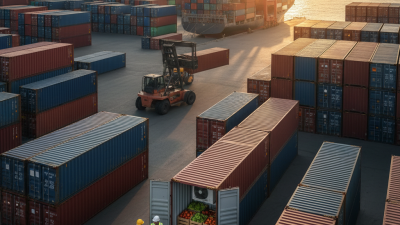
Reefers, or refrigerated containers, are designed for perishable goods. They maintain a controlled temperature environment. This type is essential for shipping fruits, vegetables, and pharmaceuticals. On the other hand, open-top containers provide flexibility for oversized cargo. They are particularly useful for machinery that cannot fit in standard containers. However, securing the load remains a challenge.
Furthermore, flat rack containers are another option that allows easy loading. They suit cargo that does not require full enclosure. It’s important to consider the risks involved with each type. While many containers are reliable, not all are perfect for every situation. Understanding these nuances helps in making informed decisions for shipping needs.
Best Freight Containers for Global Shipping
This chart illustrates the distribution of various types of freight containers used in global shipping. The most common types include the 20ft Standard and 40ft Standard containers, which together account for approximately 65% of the total usage.
Factors to Consider When Choosing a Freight Container
When choosing a freight container for global shipping, several factors are crucial. The type of goods being shipped should dictate the container selection. Perishable items require temperature-controlled containers. Opting for standard dry containers may not suffice for sensitive cargo. Understanding the specific needs of your shipments helps optimize safety and efficiency.
Another important aspect is size. Containers come in various dimensions. Standard sizes are 20 feet and 40 feet, but other options exist. It's vital to assess what fits your cargo best. A mismatch can lead to extra costs. Additionally, weight restrictions must be considered. Each container can only carry a certain load. Underestimating this can result in hefty fines.
Lastly, shipping routes and destination ports play a role. Not every container is suitable for every journey. Some regions may have restrictions on container types or sizes. Collaborating with shipping experts can provide insights. Their knowledge can guide you in making informed decisions. Reflecting on these aspects can enhance your overall shipping experience.
Comparison of Standard and Specialized Freight Containers
When comparing standard and specialized freight containers, it's essential to consider the unique requirements of global shipping. Standard containers, often 20 or 40 feet in length, dominate the shipping industry, accounting for over 90% of global container traffic according to the International Maritime Organization. They are cost-effective and suitable for a variety of goods, including bulk commodities and consumer products. However, their limitations come into play when transporting specialized cargo.
In contrast, specialized containers serve specific needs, enhancing shipping efficiency. For instance, refrigerated containers (reefer containers) maintain specific temperatures crucial for perishables, like food and pharmaceuticals. The refrigerated container market is projected to grow by 31% over the next five years, reflecting the rising demand for temperature-sensitive goods. Additionally, open-top containers accommodate oversized items, while tanks transport liquids safely. These specialized options allow shippers to meet diverse customer requirements, although the initial investment and maintenance can be significant compared to standard containers.
Despite the advantages of specialized freight containers, they may not always provide a perfect solution. For instance, reefer containers require reliable power sources throughout transit, which can be a logistical challenge. Additionally, the cost of specialized containers might deter smaller businesses from utilizing them. As the global supply chain evolves, companies must weigh the benefits of specialized solutions against the challenges they present.
Best Practices for Maintaining Freight Containers
Maintaining freight containers is crucial for effective global shipping. Proper care can enhance their durability and ensure the safety of the cargo inside. Regular inspections are essential. Check for rust or damages regularly. It's also important to monitor the seals and locking mechanisms, as these areas can wear out, leading to possible leaks and losses.
Cleaning containers after use prevents contamination and damage. A simple wash with water and mild detergent can remove residues that could affect future shipments. Pay special attention to corners and grooves where debris often collects. This task, while often neglected, requires reflection on how neglect can lead to greater issues later on.
Additionally, storage conditions play a significant role in container longevity. Storing containers in a dry, ventilated area can help minimize rust and corrosion. It's easy to overlook the environment in which containers are kept, but this can save time and resources in the long run. A proactive approach is more effective than reactive measures. By prioritizing maintenance, shippers can improve overall efficiency and reliability.
Future Trends in Freight Container Design and Technology
The future of freight container design is evolving rapidly. Innovations focus on efficiency and sustainability. Advanced materials are making containers lighter and stronger. This reduces transportation costs and carbon footprints. Smart technology is being integrated into container systems. Sensors can monitor conditions and locations in real time. This offers better transparency and proactive management of shipments.
One notable trend is the increase in modular container designs. These containers allow for flexible configurations depending on cargo types. This adaptability can improve space utilization on ships. However, the transition to modular systems poses challenges. Industry standards must evolve to accommodate new designs. Collaboration among stakeholders is necessary to streamline this process.
Eco-friendly solutions are also becoming central to container design. Many manufacturers are exploring biodegradable materials and recyclable options. This shift reflects a growing awareness of environmental impact. Yet, transitioning to these materials can be costly and complex. Companies must weigh short-term expenses against long-term sustainability goals. Adopting greener practices may require a cultural shift within the logistics industry as a whole.
What Are the Best Freight Containers for Global Shipping? - Future Trends in Freight Container Design and Technology
| Container Type |
Dimensions (ft) |
Capacity (CBM) |
Material |
Typical Use |
Future Trends |
| Standard Dry Container |
20 x 8 x 8.5 |
33 |
Steel |
General Cargo |
Smart technology integration |
| Reefer Container |
40 x 8 x 9.5 |
67 |
Insulated Steel |
Perishables |
Enhanced temperature control |
| Open Top Container |
20 x 8 x 8.5 |
33 |
Steel |
Heavy Machinery |
Lifting and handling technology improvements |
| Flat Rack Container |
40 x 8 x 8.5 |
70 |
Steel |
Large Goods |
Automation in loading and unloading |
| Tank Container |
20 x 8 x 8.5 |
25 |
Stainless Steel |
Liquid Transport |
Corrosion-resistant innovations |