What is the Best Way to Order Shipping Containers?
Ordering a shipping container can seem daunting at first. Many factors come into play, such as size and condition. You might wonder where to begin. Knowing the best ways to order shipping containers can save you time and money.
Experience shows that researching suppliers is crucial. Trustworthy vendors offer competitive prices and various options. Visit their websites, read reviews, and check their credentials. Direct communication with suppliers often uncovers valuable insights. Each shipping container serves unique needs, so understanding your requirements is essential. Size, type, and purpose should guide your decision.
Sometimes, the ordering process can feel overwhelming. Don't hesitate to ask questions. A reliable supplier will provide clarifications. However, if you rush, you might overlook important details. Be patient and thorough. Mistakes can lead to costly repercussions. Taking the time to do it right will ensure a successful purchase.
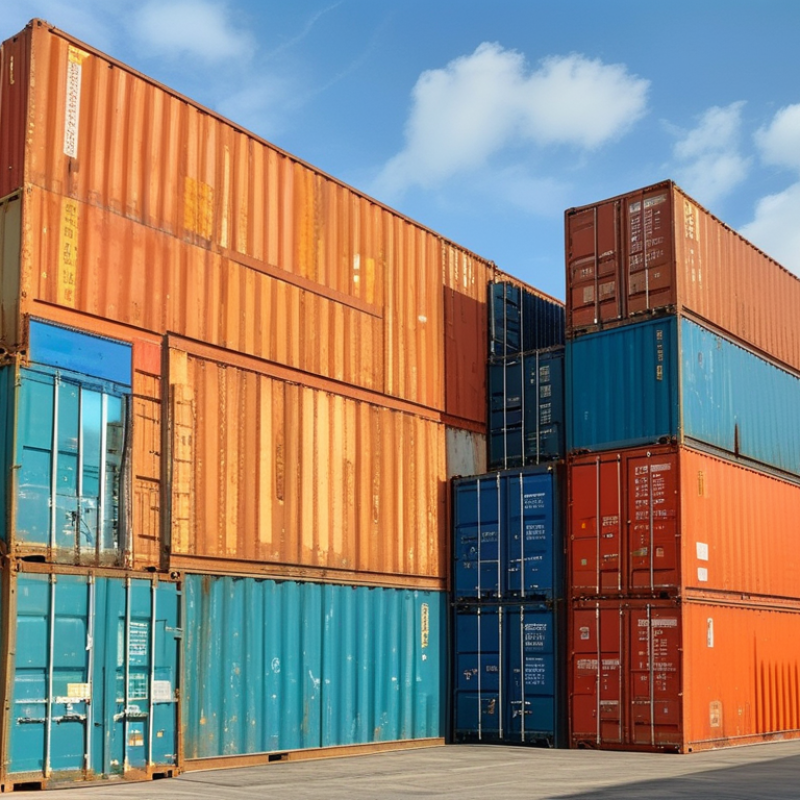
Understanding Shipping Containers: Types and Sizes
When exploring shipping containers, understanding their types and sizes is vital. There are various types, including standard containers, refrigerated units, and flat racks. Each serves a unique purpose, depending on cargo requirements. Standard containers are generally 20 or 40 feet long. They are suitable for most goods. Refrigerated containers, or reefers, maintain specific temperatures. This is essential for perishable items. Flat racks, on the other hand, are open containers used for heavy and oversized items.
Selecting the right size is equally important. A two-door 20-foot container may seem sufficient for some. However, it can quickly become cramped with larger shipments. A 40-foot unit allows for extra space and flexibility. Knowing the dimensions also aids in transportation logistics. Shipping containers have standard heights too, typically eight feet six inches. This height accommodates most shipments but may restrict taller items. Always visualize the cargo before making a decision.
Consider that each type comes with pros and cons. Some containers may be cost-effective but less suitable for sensitive goods. Others, like specialized units, can be expensive. Balancing budget and needs is challenging yet crucial. Reflecting on these aspects can save hassle down the road. Thoughtful decisions ensure safer transport and avoid unnecessary expenses.
Factors to Consider When Ordering Shipping Containers
When ordering shipping containers, several factors come into play. Understanding your specific needs is crucial. Consider the size requirements; containers typically come in 20-foot and 40-foot options. However, unique dimensions might better suit your project.
Durability is another essential factor. Containers must withstand harsh weather and heavy loads. Inspecting the material and overall condition before purchasing is wise. Buyers should also evaluate the intended use. Will it be permanent storage, or will it serve as a temporary solution? This distinction can impact the choice of container.
Furthermore, transportation logistics are critical. Think about how far the container needs to travel. Accessibility to your location matters, as this can affect shipping costs and delivery times. Reflect on the long-term cost implications too. While initial expenses are vital, maintenance and potential modifications may add up over time. Balancing these factors can lead to a well-informed decision.
Finding Reliable Suppliers for Shipping Containers
Finding reliable suppliers for shipping containers can be a challenge. Many factors affect supplier reliability, including their industry experience and customer reviews. According to a 2023 market analysis by Container Trade Statistics, around 20% of new shipping container suppliers entered the market last year. This influx has made it vital to assess which suppliers stand out.
Verifying a supplier's credentials is essential. Look for companies with industry certifications and a history of quality service. A report by the International Maritime Organization highlights that 40% of shipping container defects stem from poor manufacturing practices. This points to the importance of sourcing from established suppliers. Online platforms that aggregate customer feedback can be useful. Read through reviews carefully. Pay attention to recurring themes, positive or negative.
It's important to reflect on pricing. While a lower price can be tempting, it often signals compromised quality. A study from the World Shipping Council shows that investing in quality containers can save 30% in repair costs over time. Finding the right balance is crucial. As you navigate this process, remain open to learning from both positive and negative experiences shared by others in the industry.
Shipping Containers Order Statistics
The Ordering Process: Steps to Secure Your Container
When ordering shipping containers, the process can seem daunting. Understanding the steps involved is crucial. Begin by assessing your needs. What size and type of container do you require? Standard options include 20-foot and 40-foot containers. Research shows that over 90% of businesses prefer the standard sizes due to their cost-effectiveness and availability.
Once you’ve defined your requirements, seek out reputable suppliers. According to a recent industry report, reliable vendors account for 75% of repeat business. Check customer reviews and ask for references. Transparency in pricing and condition of the containers is key. Inspecting photos or arranging site visits can avoid disappointments later.
After identifying a supplier, clarity in communication is vital. Confirm delivery dates, transit times, and total costs in writing. Misunderstandings can lead to delays and extra expenses. It's common for clients to overlook the importance of contracts, yet they provide essential legal protection. Remember, taking the time to ensure all details are clear can save you from potential pitfalls in the future.
What is the Best Way to Order Shipping Containers? - The Ordering Process: Steps to Secure Your Container
| Step Number |
Step Name |
Description |
Estimated Time |
Required Documents |
| 1 |
Research Container Types |
Understand the different types of shipping containers available. |
1 Day |
N/A |
| 2 |
Get Quotes |
Contact suppliers to receive pricing and availability. |
2 Days |
Request for Quote (RFQ) |
| 3 |
Decide on a Supplier |
Choose the supplier that best meets your needs. |
1 Day |
N/A |
| 4 |
Place Your Order |
Finalize the order and confirm payment details. |
1 Day |
Purchase Order |
| 5 |
Arrange Delivery |
Coordinate logistics for the delivery of the container. |
1-3 Days |
Delivery Agreement |
Cost Considerations and Budgeting for Shipping Containers
When budgeting for shipping containers, several factors come into play. Knowing the container types is essential. Choose between new and used options. New containers are often more expensive but offer better reliability. Used containers can be cost-effective but may need repairs or modifications. Research local suppliers to find competitive prices.
Cost considerations extend beyond the initial purchase. Shipping fees can add significantly to your budget. Understand the distance and destination of the containers. Some locations may incur higher shipping charges. Consider hidden costs like taxes, tariffs, and handling fees. These can inflate the overall expense.
It's crucial to evaluate your needs realistically. Assess the size based on your intended use. A larger container may seem appealing, but it can strain your budget. Calculate the total cost, including transportation and delivery. Lastly, unexpected complications can arise, like delays or additional charges. Staying prepared for these issues requires flexibility in your budget.