What are Eco Containers and How Do They Benefit the Environment?
In recent years, the conversation surrounding sustainability has gained significant momentum, leading to increased awareness of our consumption patterns and their environmental impact. One innovative solution that has emerged in this context is the use of eco containers. These containers are designed specifically to minimize environmental harm while offering practical applications for storage, transportation, and packaging. By utilizing eco-friendly materials and production methods, eco containers aim to reduce waste and promote recycling, thereby contributing positively to our planet's health.
The benefits of incorporating eco containers into our daily lives are manifold. Not only do they serve as a sustainable alternative to conventional plastic and non-biodegradable materials, but they also encourage individuals and businesses alike to adopt greener practices. As we navigate the challenges posed by pollution and resource depletion, understanding the advantages of eco containers becomes increasingly essential. Through embracing this eco-conscious choice, we can collectively work towards a more sustainable future, fostering an environment that supports both ecological integrity and economic viability.

Definition and Overview of Eco Containers
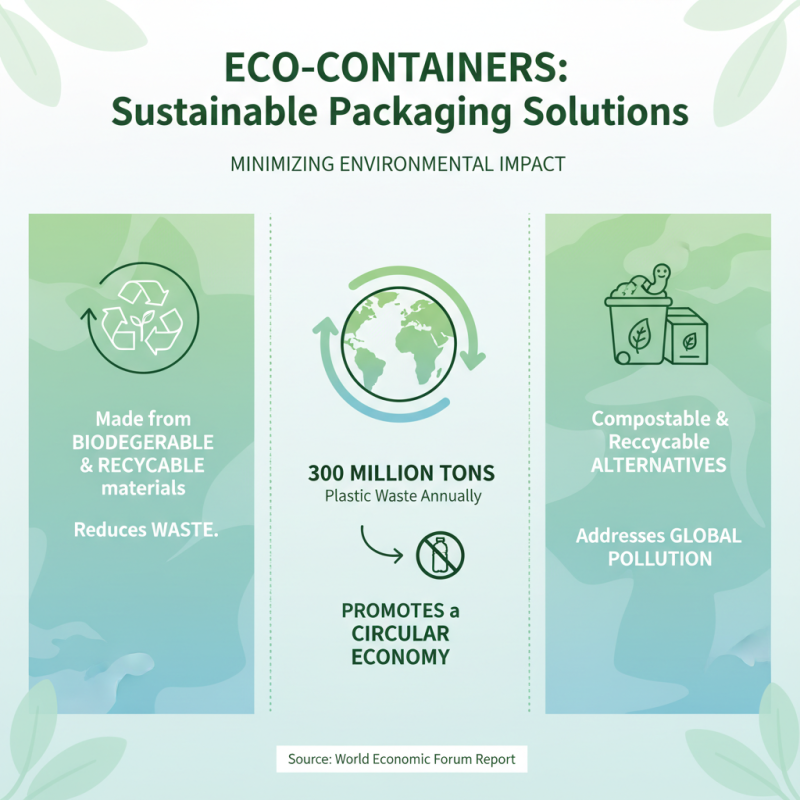
Eco containers, often referred to as sustainable packaging solutions, are designed to minimize environmental impact while still serving their primary function of transporting goods. These containers are typically made from biodegradable or recyclable materials, significantly reducing waste compared to traditional packaging. According to a report by the World Economic Forum, the global packaging industry generates approximately 300 million tons of plastic waste each year, with a large portion coming from non-biodegradable sources. Eco containers aim to address this issue by providing alternatives that can be composted or recycled, thereby promoting a circular economy.
In addition to their material benefits, eco containers also play a crucial role in reducing carbon emissions associated with transportation. A study by the Ellen MacArthur Foundation found that switching to more sustainable packaging options could reduce greenhouse gas emissions by up to 80% in certain regions. This shift not only helps companies meet regulatory requirements but also aligns with the growing consumer demand for eco-friendly practices. By utilizing eco containers, businesses can demonstrate their commitment to sustainability while also contributing to a more environmentally responsible supply chain.
Materials Used in Eco Containers and Their Sustainability
Eco containers are increasingly becoming a popular choice for sustainable packaging solutions, primarily due to the materials used in their construction. These containers are often made from biodegradable materials such as cornstarch, bamboo, and sugarcane bagasse, which are renewable resources that significantly reduce the reliance on fossil fuels. According to a report by the World Economic Forum, switching to biodegradable materials can decrease greenhouse gas emissions by up to 68% compared to traditional plastic production processes.
In addition to biodegradable options, many eco containers utilize recycled materials, such as post-consumer recycled plastics or paper. The recycling process not only conserves resources but also reduces energy consumption. The Recycling Partnership reported that recycling one ton of plastic saves 7.4 cubic yards of landfill space and conserves over 3,000 pounds of carbon dioxide emissions. By choosing eco containers made from recycled materials, businesses can further contribute to waste reduction and promote a circular economy.
Furthermore, many eco containers are designed for multiple uses, enhancing their sustainability profile. By being durable and reusable, these containers help minimize single-use waste and encourage consumers to adopt more environmentally friendly practices. A study published in the Journal of Cleaner Production indicated that reusable packaging systems can reduce packaging waste by 80%, highlighting the significant impact that sustainable packaging solutions can have on the environment.
What are Eco Containers and How Do They Benefit the Environment?
| Material Used |
Sustainability Features |
Environmental Benefits |
Recyclability |
| Bamboo |
Rapid growth, renewable resource |
Reduces deforestation, CO2 absorption |
Fully compostable |
| Recycled Plastic |
Uses post-consumer waste |
Decreases landfill waste, energy savings |
High recyclability |
| Glass |
Natural material, durable |
Non-toxic, reduces plastic pollution |
100% recyclable |
| Stainless Steel |
Long-lasting, reusable |
Minimal waste, energy-efficient production |
Recyclable |
Impact of Eco Containers on Reducing Waste and Pollution
Eco containers are a crucial innovation in the fight against waste and pollution. By utilizing materials that are biodegradable or recyclable, these containers significantly reduce the amount of non-degradable waste generated in various industries, particularly in food service and packaging. Traditional plastic containers contribute immensely to landfills, taking hundreds of years to decompose. In contrast, eco containers are designed to break down naturally, thus lowering the burden on waste management systems and diminishing the environmental impact of discarded materials.
Furthermore, eco containers help to curb pollution by minimizing the leaching of harmful chemicals into the soil and waterways. Conventional containers often contain toxic substances that can be released over time, contributing to soil degradation and water contamination. Eco-friendly alternatives are crafted from safe materials that ensure both human health and environmental integrity. By adopting eco containers, businesses and consumers alike can play a pivotal role in promoting sustainability, reducing their carbon footprint, and fostering a cleaner, healthier planet for future generations.
Applications of Eco Containers in Various Industries
Eco containers, also known as sustainable packaging solutions, are increasingly being adopted across various industries due to their environmental benefits. For instance, in the food industry, eco containers made from biodegradable materials are utilized to minimize plastic waste. According to the World Economic Forum, over 300 million tons of plastic are produced every year, and a significant portion ends up in landfills, harming wildlife and polluting oceans. Switching to eco-friendly containers aids in reducing this pollution while appealing to the growing consumer demand for sustainable practices.
In the cosmetics industry, businesses are turning to eco containers for both product packaging and shipping purposes. A study by the Environmental Protection Agency indicated that nearly
30% of waste in landfills comes from packaging materials. By using containers that are either compostable or made from recycled materials, companies can significantly decrease their ecological footprint. Additionally, the use of such containers can
enhance a brand’s image, as consumers increasingly prioritize sustainability in their purchasing decisions.
Tip: When selecting eco containers, consider materials that are certified compostable or made from post-consumer recycled sources. This not only aids in waste reduction but also supports a
circular economy. Moreover, evaluating the entire supply chain can yield further sustainability gains by minimizing energy use and reducing carbon emissions throughout transportation.
Comparative Analysis: Eco Containers vs. Traditional Packaging Solutions
Eco containers and traditional packaging solutions serve the same fundamental purpose of protecting goods during transport and storage, but they differ significantly in their environmental impact. Traditional packaging, often made from plastics and non-biodegradable materials, contributes to pollution and waste accumulation in landfills and oceans. In contrast, eco containers are crafted from sustainable materials that are biodegradable or recyclable, significantly reducing their carbon footprint. This shift not only conserves natural resources but also diminishes reliance on fossil fuels used in the production of conventional packaging.
Moreover, eco containers offer a comparative advantage in terms of lifecycle assessments. When evaluating the full lifecycle, traditional packaging generates a higher amount of greenhouse gas emissions and requires more energy for production and disposal. Eco containers, on the other hand, can be designed for reuse or composting, which shortens their environmental impact. By choosing eco containers, companies can align themselves with evolving regulations and consumer preferences for sustainability, ultimately fostering a healthier ecosystem and contributing to circular economy principles. This transition reflects a broader awareness of environmental issues and represents a proactive response to the urgent call for sustainable practices in packaging.