
How to Choose the Best Cat Tree for Your Cat?

Choosing the right Cat Tree is more than picking the tallest model or the cheapest option. It should match your cat’s age, weight, confidence, and daily habits. A quiet senior cat may prefer a wide platform near the floor, while an energetic kitten may enjoy climbing, scratching, and jumping. Observe your cat for several days. Does it watch birds from a window, hide inside boxes, or scratch the sofa corners?

Safety matters most. Look for a broad base, strong joints, and platforms that do not wobble when touched. Sisal-wrapped posts should feel firmly attached, not loose or rough enough to catch claws. Soft fabric adds comfort, but it must remain secure after repeated use. Measure the available space before buying, including ceiling height and walking clearance. A beautiful Cat Tree is still a poor choice if it blocks a doorway or tips easily.

Consider how the tree will be cleaned. Removable cushions and washable covers can reduce odors and trapped fur. For homes with several cats, multiple resting levels may prevent competition. However, more features do not always mean better enrichment. I once assumed a taller structure would be ideal, but my cautious cat used only the lowest platform. That mistake showed me that real behavior matters more than appearance.

This guide compares practical features, construction quality, and comfort. It also explains when a compact design may outperform a large one. No Cat Tree suits every household perfectly. Careful observation, accurate measurements, and regular inspections will help you choose more confidently.
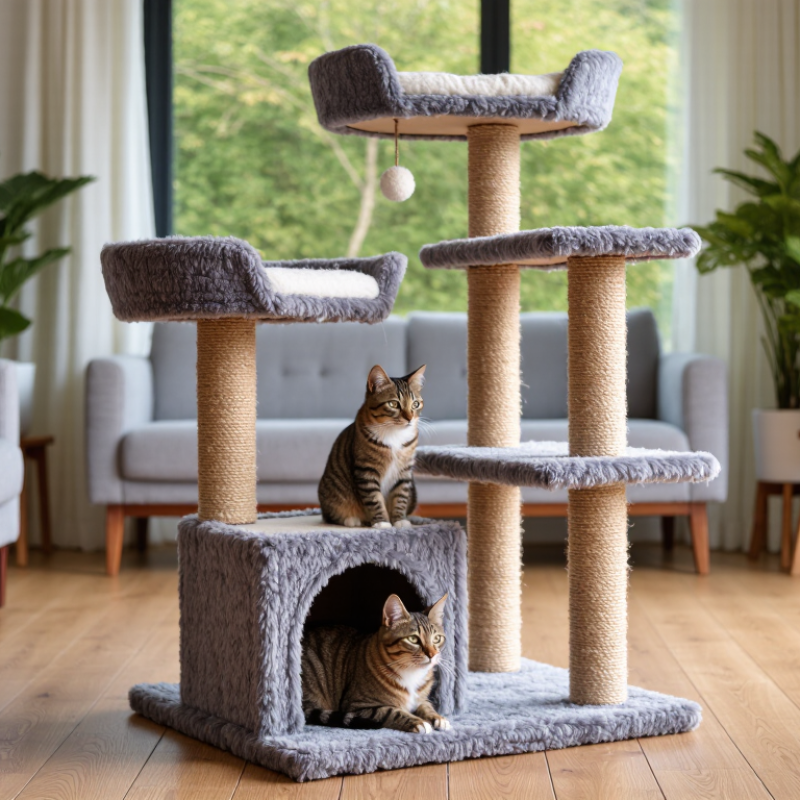
How to Choose the Best Cat Tree for Your Cat?

Assess Your Cat’s Needs, Habits, and Physical Characteristics

How to Choose the Best Cat Tree for Your Cat?

Assess your cat’s needs, habits, and physical characteristics before choosing a cat tree. Watch where your cat sleeps, climbs, scratches, and hides. A confident climber may enjoy tall platforms, while an older or heavier cat may need wide, low steps. Kittens often need close spacing between levels. Cats with stiff joints need stable surfaces and easy access. Measure your cat’s length when fully stretched. The sleeping platform should support the whole body without forcing curled positions. A tall tree is not automatically better.

Tips: Observe your cat for three days. Note favorite heights, scratching angles, and resting times. Choose a broad base, firm posts, and platforms that do not wobble. Place the tree near a window or quiet family area, but avoid blocking walkways. Test every level gently before allowing regular use.

Material matters, too. Choose surfaces that offer grip without loose threads or sharp edges. A thick scratching post may suit a strong vertical scratcher, while a horizontal pad may fit another cat better. Do not ignore personality. A shy cat may use an enclosed bed more than an exposed perch. I have sometimes overestimated a cat’s interest in height; preferences can change after moving the tree. Your first choice may be imperfect. Recheck its use after a week, and adjust the location if the cat keeps choosing the sofa.

Choose the Right Cat Tree Size, Height, and Layout

How to Choose the Best Cat Tree for Your Cat?

A good cat tree should match your cat’s body, habits, and room. The American Pet Products Association reported 46.5 million U.S. households owned cats in its 2023–2024 survey. That scale reflects a common need: indoor cats require useful vertical territory, not decorative furniture.

The AAFP and ISFM feline environmental guidelines recommend separated resting, scratching, hiding, and feeding resources. Measure your cat from nose to tail. Each sleeping platform should exceed that length, allowing a relaxed curl without slipping. Large cats need wider shelves and thicker supports.

Height matters, but taller is not always better. A senior cat may prefer low steps with short gaps. A confident young cat may enjoy a high lookout near a window.

Leave enough clearance from ceiling fans, shelves, and unstable furniture. The base should feel heavy and resist rocking when your cat jumps.

For multiple cats, add separate levels and escape routes. Crowded platforms can create tension. My first choice would have been the tallest tree, but that was a mistake. Stability mattered more.

Tips:

Place the tree beside a quiet window, not beside a noisy appliance. Keep scratching surfaces vertical and long enough for a full stretch. Check every joint monthly. Watch how your cat uses the layout for one week, then adjust its position. Some cats ignore the top platform. That is useful feedback, not failure. A lower shelf may suit their confidence better.

Compare Materials, Stability, Safety, and Construction Quality

Choosing a cat tree starts with the frame, not the color. APPA’s 2023–2024 National Pet Owners Survey reports 46.5 million U.S. households owned cats. That scale matters. A popular product still needs careful inspection. Solid plywood or thick, kiln-dried wood usually resists flexing better than thin particleboard. Sisal should feel tightly wrapped, not loose under one finger. Soft fabric is comfortable, but exposed staples are not.

Stability is the real test. The U.S. Consumer Product Safety Commission estimates about 22,000 furniture tip-over injuries occur annually, based on 2018–2020 data. Cat trees are not included as a separate category, but the warning remains relevant. Choose a wide base, low center of gravity, and platforms that do not wobble during a firm push. A wall anchor adds protection, especially for tall trees or active cats. Check every screw after assembly.

Safety also depends on construction details. The AAFP/ISFM Environmental Needs Guidelines recommend secure resting places and accessible vertical space for cats. Platforms should have raised edges, while hammocks need strong stitching and easy replacement. Avoid dangling cords, narrow openings, and brittle plastic toys. Measure your cat first. A large cat may outgrow a small perch quickly.

I once trusted a heavy-looking base too much. It still shifted. Weight alone is not proof of quality. Look underneath, test the joints, and inspect the finish before purchase.

Select Features That Support Climbing, Scratching, Playing, and Resting

How to Choose the Best Cat Tree for Your Cat?

A useful cat tree should match your cat’s natural movements, not merely fill an empty corner. Measure the room, then check the tree’s height, base width, and platform spacing. A wide, weighted base reduces wobbling when an adult cat jumps upward. Shelves should offer different levels, with enough room for the cat to turn comfortably. Kittens may enjoy steep routes, while older cats often need shorter steps and easier access. My own cat ignored a tall tower for weeks because the highest platform felt unstable. I had chosen height over confidence.

Scratching surfaces deserve careful attention. Vertical posts suit cats that stretch upward, while horizontal pads help cats that scratch along the floor. Choose durable, tightly wrapped material, and inspect it regularly for loose threads. Place scratching areas near sleeping spots or furniture your cat already targets. A tree with dangling toys can encourage play, but removable toys are safer when unsupervised. Avoid crowded platforms that force a cat to squeeze past another pet.

Resting spaces should include both open ledges and sheltered areas. Open beds let cats watch windows and household activity, while enclosed spaces provide quiet retreats. Look for washable cushions and surfaces that do not trap excessive hair. Watch how your cat uses the structure during the first week. Cats can reject sensible designs for reasons we miss. A small adjustment may matter. Moving the tree closer to a window or adding a step can change its appeal. Affix tall structures securely, especially in homes with energetic climbers or children.

Match the Cat Tree to Your Home’s Space, Style, and Budget

How to Choose the Best Cat Tree for Your Cat?

A cat tree should fit your home before it fits your cat. Measure the floor area, ceiling height, and doorway width. Leave a clear path around the structure. A tall tree can suit a small room, but it may feel visually heavy beside low furniture. In a rental, a compact model with a stable base is often safer and easier to move. Place it near a window if your cat enjoys watching birds or passing people. Avoid blocking radiators, vents, or frequently used walkways. Practical details matter.

Your home’s style should guide the materials and colors. Neutral fabric can blend with a bright living room, while natural-looking surfaces may suit warm wood furniture. Choose washable cushions and tightly attached coverings. Loose threads can become a maintenance problem. I once chose a beautiful tree with a narrow platform, and my cat avoided the top completely. That mistake taught me to value platform width over appearance. Check whether each perch supports your cat comfortably, especially if your pet is large or older. The scratching area should be tall enough for a full stretch. Set a realistic budget, including replacement cushions or future repairs. The cheapest option may wobble, while the most expensive one may waste space. A balanced choice is better. Admittedly, style still influences my decisions, but stability, cleanability, and daily use deserve the final say.

Article Source:

Scroll to Top