How to Order a Shipping Container in 2026?
Ordering a shipping container in 2026 requires more than choosing the lowest online price. You need a clear purpose, accurate measurements, and a dependable supplier. Before you order shipping container equipment, decide whether you need storage, transport, workspace, or a modified unit. A 20-foot container suits many properties, while a 40-foot model needs more turning space and stronger ground support. Measure the access route carefully. Check gates, overhead cables, corners, and delivery-truck clearance. Small mistakes can create expensive delays.
Ask suppliers for written details about container age, condition, flooring, doors, ventilation, and previous use. Request recent photos, not only polished catalog images. Confirm whether the quoted price includes delivery, unloading, taxes, and placement. These costs often appear later. They should not. A reputable seller should explain corrosion levels, wind and watertight standards, inspection records, and refund terms clearly. In 2026, digital ordering may be faster, but human verification still matters. Call the supplier and ask practical questions.
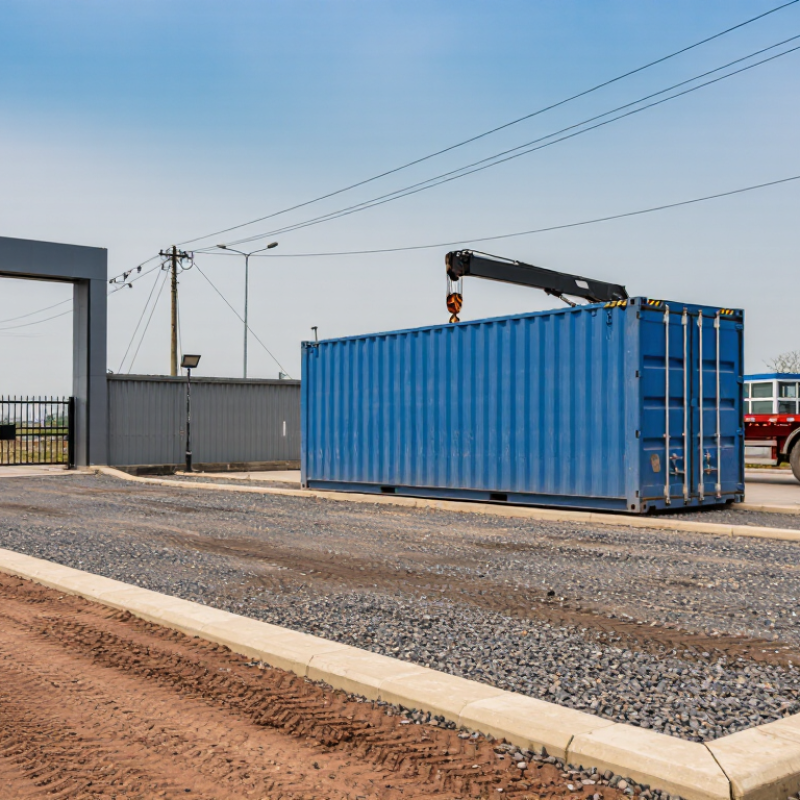
Prepare the site before delivery day. A level surface, compacted gravel, or suitable concrete supports stability and drainage. Keep the placement area free from branches, vehicles, and loose materials. Local planning, property, and safety requirements may also apply, so verify them with the relevant authority. I have found that buyers often focus on the container itself and forget access preparation. That is understandable, but costly. Compare at least three written quotes, review the agreement slowly, and document every promise. A careful order is rarely dramatic. It is simply less likely to become a problem.
Define Your Shipping Container Needs and Budget
Before ordering a shipping container in 2026, define what it must hold and where it will stand. Measure the longest, widest, and tallest items, including pallets and protective packaging. A standard 20-foot container suits compact storage, while a 40-foot unit offers more floor space but needs better site access.
Write down the container’s purpose. Long-term storage may require a dry, wind-tight unit with sound doors. Frequent loading may justify double doors or a side opening. Check ventilation, locking bars, floor condition, and visible corrosion. I once underestimated turning space at a delivery site. The container fit the driveway, but the truck could not position it safely. Measure gates, overhead wires, ground slope, and unloading clearance before paying.
Build a complete budget, not just a purchase price. Include delivery, lifting equipment, ground preparation, taxes, insurance, locks, shelving, and possible repairs. Used containers often cost less, but dents and stiff doors may create future expenses. Newer units usually provide cleaner interiors and fewer maintenance concerns. Ask for recent photos, exact external dimensions, internal height, floor condition, and delivery terms. Keep a written record of every promise. Prices can change quickly, so leave a sensible reserve for unexpected site work. My estimates have been wrong before; a second measurement and a local delivery assessment are worth the extra effort.
Choose the Right Container Type, Size, and Condition
How to Order a Shipping Container in 2026?
Start with the cargo, not the price. A standard dry container suits boxed goods, furniture, and most general freight. A high-cube model adds nearly 30 centimeters of interior height for tall or bulky items. Open-top and flat-rack containers handle oversized cargo, but they require careful loading plans and route approval. Refrigerated containers need constant power, temperature records, and qualified maintenance. They are not simple storage boxes.
Choose the size after measuring every item. A 20-foot container works well for dense cargo and smaller shipments. A 40-foot container offers more volume, but unused space can increase movement inside. Measure doorways, pallets, and turning space. Leave room for bracing and safe access. That detail gets overlooked.
Condition matters as much as type. Ask for recent photos of the roof, floor, doors, seals, and corner posts. Check for deep corrosion, soft flooring, water stains, and doors that fail to close evenly. For transport, request valid inspection and safety documentation. For storage, wind and water tightness may be enough, depending on your use. “New” can mean recently manufactured, while “one-trip” descriptions still deserve verification. I have seen buyers trust attractive photos and regret the decision after delivery. A physical inspection costs less than correcting a leaking roof or damaged floor. Record serial numbers, agreed repairs, delivery fees, and cancellation terms before payment. The cheapest container is not always the economical one.
Compare Suppliers, Prices, Delivery Terms, and Availability
How to Order a Shipping Container in 2026?
Ordering a shipping container in 2026 starts with a clear specification. State the length, height, door layout, age, and intended use. Ask for recent photos, inspection notes, and the container identification number. These details reveal dents, floor damage, corrosion, and previous repairs. Compare at least three suppliers on identical specifications. Do not compare a wind-and-watertight unit with a certified cargo unit. That mistake can make a cheap quote expensive. Availability changes quickly near ports and construction centers.
Request a complete price breakdown before choosing a supplier. The quote should separate the container, transport, unloading, taxes, and site-access charges. Confirm whether delivery includes a crane truck or only roadside placement. Check the delivery radius, estimated arrival window, cancellation rules, and storage fees. A low price may hide a long waiting period. A higher quote may offer faster loading from nearby stock. Ask how availability is confirmed, not merely advertised online.
Before payment, confirm the container’s condition in writing. Request the stated grade, dimensions, door operation, flooring condition, and repair history. Measure your entrance and unloading area carefully. A delivery truck needs turning space and stable ground. Weather can delay transport, even with good planning. A perfect comparison is rarely possible. Supplier photos may also miss small leaks or uneven floors. Keep a written record of every promise, especially delivery timing and extra charges.
Place the Order and Confirm All Purchase Details
When ordering a shipping container in 2026, place the order only after every purchase detail is written clearly.
Select the required quantity, external dimensions, condition, and intended use. Confirm whether you need a new, one-trip, or used container. Ask for recent inspection photos, including the doors, roof, floor, and corner posts.
Small defects can become expensive problems.
Request a formal quotation before sending payment.
It should show the container price, delivery charge, taxes, unloading fees, and any inspection costs. Confirm the delivery address and whether the vehicle can reach the site safely. Check the expected dispatch date and estimated arrival window.
Also clarify the payment schedule, cancellation terms, warranty coverage, and process for reporting transport damage.
Read the final order carefully.
Match the container number, size, condition, quantity, and agreed price with your written messages.
I once nearly missed an added delivery fee because it appeared on a separate page. That was careless.
Ask questions before approval. Keep the quotation, order confirmation, payment records, and delivery photos together. On arrival, inspect the doors, seals, floor, and frame before signing acceptance.
Note any visible damage immediately, even if the driver seems rushed.
Clear records protect both sides and make mistakes easier to correct.