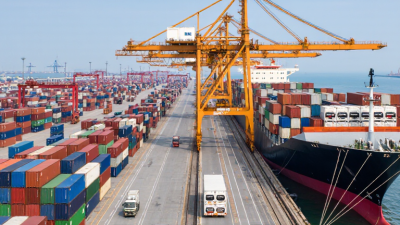
What Is a Sea Can Container and How Much Does It Cost?
A sea can container is a steel shipping box designed to protect cargo during ocean transport. Many people also buy one for storage, workshops, farm buildings, or temporary site offices. The term usually refers to a standard intermodal container, often available in 20-foot or 40-foot lengths. Its corrugated walls, locking doors, and reinforced corner posts make it remarkably durable. Still, “weatherproof” does not always mean perfectly dry inside.
The purchase price depends on size, age, condition, location, and local demand. A used container may cost less, but it can show surface rust, dents, worn door seals, or a damaged wooden floor. A newer unit usually looks cleaner and offers fewer immediate repairs. The price tag is only part of the budget. Delivery, unloading, ground preparation, taxes, and modifications can change the final cost considerably. A crane may be necessary when access is narrow or the placement area is uneven. Measure carefully.
In this guide, we will examine what a sea can container is, how pricing typically works, and which expenses buyers often miss. We will also consider practical details, including ventilation, insulation, security, and site access. These factors affect whether a container remains useful after delivery. My experience with container planning suggests that the cheapest unit is not always the best value. That lesson is easy to overlook. Prices also change by region and season, so readers should request current quotes from reputable local suppliers. A careful inspection and written delivery agreement can prevent expensive surprises.
What Is a Sea Can Container?
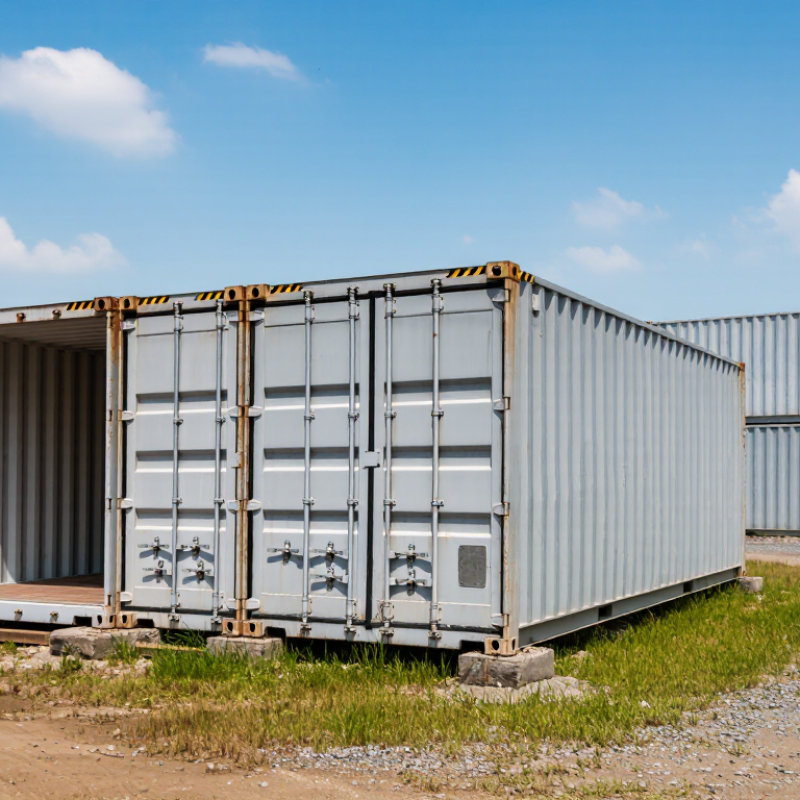
A sea can container is a reusable steel box designed for international cargo transport. The phrase is informal. In professional documents, it usually means an ISO freight container. ISO 668 defines standard external dimensions, including common 20-foot and 40-foot units. High-cube models add extra interior height. That difference matters when storing tall equipment.
Its structure is simple but carefully engineered. Corrugated steel walls resist weather and handling damage. Corner castings let cranes lift the container safely. Heavy doors use locking bars and rubber seals. A wooden floor supports pallets, tools, or machinery. Each compliant unit should carry a safety approval plate under the International Convention for Safe Containers. Check it before buying. A damaged plate or twisted frame can create expensive problems.
UNCTAD’s Review of Maritime Transport reports that shipping carries over 80% of global merchandise trade by volume. This scale explains why standardized containers remain widely available. Purchase prices vary sharply by location, age, condition, and delivery distance. Market reports from Container xChange show substantial regional differences in used-container prices. A basic used unit may cost several thousand dollars, while newer or modified units cost more. Transport, unloading, taxes, and repairs can exceed the advertised price. The “cheap” option is not always cheap. Pricing data also changes quickly, so current local quotations deserve more trust than old online estimates.
How Sea Can Containers Are Designed and Used
What Is a Sea Can Container and How Much Does It Cost?
A sea can container is a steel box designed for repeated transport, stacking, and cargo protection. Its corrugated walls resist impact, while corner castings carry stacking loads. Heavy locking bars secure the double doors. Most units also have a timber floor and small ventilation openings. These details make the container practical for shipping, storage, workshops, and temporary site facilities.
A used 20-foot container often costs about $1,500 to $4,000. A new unit may cost $3,000 to $8,000, before delivery, taxes, and modifications. Prices change with location, condition, age, and local demand. A container with rust, bent doors, or a damaged floor can become expensive quickly. It is a box, not a finished building. Converting one requires attention to insulation, condensation, drainage, electrical work, and structural cutting. A common mistake is treating modification as simple carpentry. It is not always simple.
Tips: Inspect the roof, floor, door seals, locking bars, and corner posts in daylight. Ask for clear measurements and delivery access before paying. Confirm that the unit is suitable for its intended transport or storage use. A small vent may help, but it will not solve serious condensation. Weatherproof paint can slow corrosion, although it cannot repair weakened steel. Costs are easy to underestimate when groundwork and lifting equipment are added.
Common Sea Can Container Sizes and Types
What Is a Sea Can Container and How Much Does It Cost?
Sea can containers are steel storage units originally designed for ocean freight. Their size and condition strongly influence the final price. A standard 20-foot container offers about 33 cubic meters of space. It fits tools, furniture, seasonal equipment, or a small workshop setup. A 40-foot container provides nearly twice the floor area. However, it needs more room for delivery and placement.
The 40-foot high-cube version adds roughly 30 centimeters of interior height. That extra clearance helps with tall shelving and bulky items. A 10-foot container suits narrow properties, but availability can be limited. Open-top containers handle tall cargo, while flat-rack types support oversized loads. Refrigerated containers maintain controlled temperatures, although their machinery increases purchase and operating costs.
Prices vary by location, age, weatherproof condition, and local demand. A used standard container may cost about $1,500 to $4,000 before delivery. Newer units can exceed $5,000. High-cube, refrigerated, and specialty containers usually cost more. Delivery, crane service, permits, foundations, and modifications add separate charges. I have found that the advertised price rarely tells the full story. A container may look sound outside, yet show floor damage or stiff door seals. Inspect the roof, locking bars, corner posts, and interior odor before committing. Small defects become expensive when transport is already arranged.
What Is a Sea Can Container and How Much Does It Cost? - Common Sea Can Container Sizes and Types
| Container Type | Typical External Dimensions | Approx. Internal Dimensions | Internal Capacity | Typical Tare Weight | Typical Used Price (USD) | Typical New Price (USD) | Common Uses |
|---|---|---|---|---|---|---|---|
| 10-Foot Standard | 10 ft L × 8 ft W × 8 ft 6 in H | Approximately 9 ft 2 in L × 7 ft 8 in W × 7 ft 10 in H | About 560 cu. ft. | 2,900–3,300 lb | $1,800–$3,500 | $3,000–$5,500 | Compact storage, workshops, job sites, and residential projects |
| 20-Foot Standard | 20 ft L × 8 ft W × 8 ft 6 in H | Approximately 19 ft 4 in L × 7 ft 8 in W × 7 ft 10 in H | About 1,170 cu. ft. | 4,850–5,300 lb | $1,500–$3,000 | $2,800–$5,000 | General storage, shipping, farm use, construction materials, and small conversions |
| 20-Foot High Cube | 20 ft L × 8 ft W × 9 ft 6 in H | Approximately 19 ft 4 in L × 7 ft 8 in W × 8 ft 10 in H | About 1,320 cu. ft. | 5,000–5,700 lb | $2,000–$3,800 | $3,500–$6,000 | Storage requiring extra headroom, taller equipment, and compact modular buildings |
| 40-Foot Standard | 40 ft L × 8 ft W × 8 ft 6 in H | Approximately 39 ft 5 in L × 7 ft 8 in W × 7 ft 10 in H | About 2,350 cu. ft. | 8,000–8,800 lb | $2,000–$4,000 | $4,000–$7,000 | Large-volume storage, commercial freight, warehouses, and building projects |
| 40-Foot High Cube | 40 ft L × 8 ft W × 9 ft 6 in H | Approximately 39 ft 5 in L × 7 ft 8 in W × 8 ft 10 in H | About 2,690 cu. ft. | 8,600–9,500 lb | $2,500–$4,800 | $4,500–$8,000 | The most common choice for high-volume storage, freight, workshops, and conversions |
| 45-Foot High Cube | 45 ft L × 8 ft W × 9 ft 6 in H | Approximately 44 ft 5 in L × 7 ft 8 in W × 8 ft 10 in H | About 3,040 cu. ft. | 9,500–10,500 lb | $3,500–$6,500 | $6,000–$10,000 | Extra-long freight loads, distribution, industrial storage, and large-scale projects |
| Refrigerated Container | Usually 20 ft or 40 ft L × 8 ft W × 8 ft 6 in or 9 ft 6 in H | Smaller than a dry container because of insulated walls and cooling equipment | Approximately 1,000–2,400 cu. ft. | Varies by size; commonly 6,000–11,000 lb | $4,000–$12,000 | $12,000–$25,000+ | Temperature-controlled food, pharmaceuticals, flowers, and specialty storage |
| Open-Top Container | Usually 20 ft or 40 ft L × 8 ft W × 8 ft 6 in H | Similar floor dimensions to a standard container; removable roof or tarpaulin cover | Approximately 1,100–2,300 cu. ft. | Typically 5,000–9,000 lb | $2,500–$6,000 | $5,000–$10,000 | Oversized machinery, scrap metal, timber, stone, and top-loaded cargo |
| Side-Opening Container | Usually 20 ft or 40 ft L × 8 ft W × 8 ft 6 in or 9 ft 6 in H | Comparable to standard dimensions, with additional side-access doors | Approximately 1,100–2,600 cu. ft. | Typically 5,500–10,000 lb | $3,500–$8,000 | $7,000–$15,000 | Retail displays, event equipment, frequent-access storage, and wide cargo |
Factors That Affect Sea Can Container Costs
A sea can container is a steel shipping container used to move or store goods. Common sizes include 20-foot and 40-foot units. They are built for harsh weather, but condition varies significantly. A used container may show dents, surface rust, worn door seals, or a wooden floor with stains. These details affect both price and usability.
The largest cost factor is usually condition. Newer units cost more but often need fewer repairs. Used units are cheaper, although repainting, welding, or seal replacement can increase the final bill. Size matters too. A 40-foot container usually costs more than a 20-foot model, but local availability can change that difference. In some areas, the longer unit is surprisingly economical.
Delivery can become expensive. A truck may need special access, lifting equipment, or a paved unloading area. Distance from the depot also affects the quote. Seasonal demand, local taxes, inspection requirements, and container modifications can add further charges. Adding vents, shelving, lighting, or an access door requires careful planning and professional installation. A low advertised price may exclude transport and preparation. That is easy to miss. Buyers should request a written quote covering the container, delivery, unloading, taxes, and any repairs. I have found that checking door operation and roof leaks in person prevents more trouble than comparing prices alone. Still, weather and site conditions can make even a careful estimate imperfect.
How to Choose and Purchase the Right Sea Can Container
A sea can container is a steel intermodal box used for ocean transport, storage, and site projects. Most buyers choose 20-foot or 40-foot units. A 40-foot high-cube model provides extra height, but it may need more delivery space. UN Trade and Development’s Review of Maritime Transport 2024 reports 12.3 billion tonnes of seaborne trade in 2023, with maritime trade growing 2.4%. That scale supports steady equipment demand, but local prices still change quickly.
Used 20-foot containers often cost about $1,800–$4,000. Used 40-foot units may cost $2,500–$6,000. New units can exceed $7,000 before transport, taxes, or modifications. These are planning ranges, not quotations. Port distance matters. So does regional equipment supply. A low purchase price can become expensive after crane unloading and long-haul delivery.
Inspect the roof, corner posts, doors, floor, and underside carefully. Look for daylight, fresh welds, deep corrosion, and water stains. Ask for the manufacture year, inspection records, and the CSC safety plate when ocean transport is intended. “Wind and watertight” suits storage, while “cargo-worthy” indicates a stronger shipping condition. Do not trust marketplace photographs alone. I would request current interior and roof photos, then arrange an independent inspection. ISO 668 dimensions help confirm compatibility with handling equipment. Measure your access route twice. Small mistakes happen. Planning for ventilation, locking hardware, and ground support is also important, because these details are often excluded from the advertised container price.
What Is a Sea Can Container and How Much Does It Cost?
A sea can container is a standardized steel shipping container commonly used for cargo transport, storage, workshops, and modular construction.
The chart shows indicative purchase-price ranges in USD for common container types. Prices vary by location, condition, certification, delivery distance, market demand, and modifications. The estimates exclude transportation, taxes, permits, and custom work.
Common Sea Can Container Dimensions
- 20-foot standard: approximately 20 ft long × 8 ft wide × 8 ft 6 in high; about 1,170 cubic feet of internal volume.
- 40-foot standard: approximately 40 ft long × 8 ft wide × 8 ft 6 in high; about 2,390 cubic feet of internal volume.
- 40-foot high cube: approximately 40 ft long × 8 ft wide × 9 ft 6 in high; about 2,700 cubic feet of internal volume.
New containers generally provide cleaner surfaces and longer service life, while used containers can be more economical but may have dents, corrosion, or water-tightness issues.
Related Posts
-
How to Choose the Right Sea Container for Global Shipping
-
2026 Best Sea Container Types for Global Buyers?
-
Why Are Sea Container Prices So High?
-

How to Choose the Right Sea Container for Your Business Needs?
-
China Top Sea Can Container Suppliers for Global Buyers?
-

The Ultimate Guide to Choosing the Right Movers Containers for Your Next Move