What is a Sea Container and How to Buy One?
A sea container is a crucial tool in global trade. These robust metal boxes transport goods across oceans. Understanding what a sea container is can save businesses time and money.
When considering a purchase, factors like size, condition, and purpose matter. Containers come in various sizes, typically 20 or 40 feet long. New or used? Both options exist. Prices vary greatly based on these criteria. Some may feel overwhelmed searching for the right container. It’s essential to conduct thorough research.
Quality is critical when selecting a sea container. Inspect for rust or structural damage. A poorly maintained container can lead to significant losses. Buyers may face uncertainty in decisions, but reliable sellers are available. Engaging with experts in the field may offer clarity and guidance.
What is a Sea Container? An Overview of Its Definition and Purpose
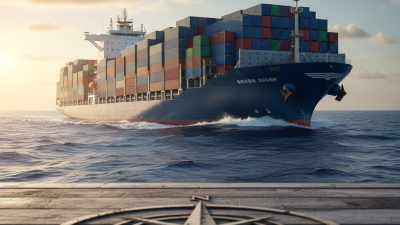
A sea container, often referred to as a shipping container, is a standardized metal box. Its primary purpose is transporting goods across oceans safely and efficiently. According to the International Organization for Standardization (ISO), these containers come in various sizes, with the 20-foot and 40-foot versions being the most common. They facilitate easy loading and unloading, promoting global trade.
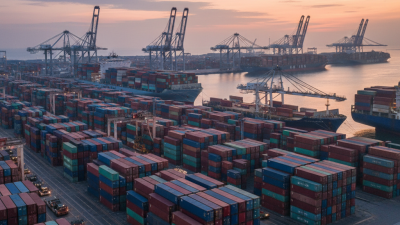
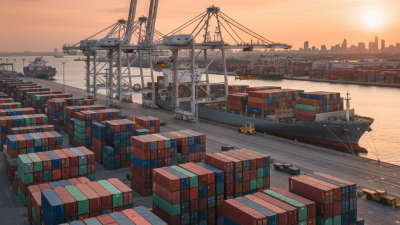
Sea containers are essential in today's logistics. The shipping industry has seen a significant shift; in 2020 alone, an estimated 200 million containers were in circulation worldwide. Each container can hold approximately 30,000 kg of cargo, highlighting their capacity. Shipping costs using containers can be lower than load-by-load transportation. However, this reliance on standardized sizes brings challenges. Containers that are either too large or too small may lead to inefficiencies and increased shipping costs.
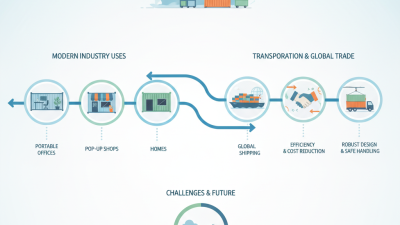
The versatility of sea containers extends beyond shipping. Many are repurposed into homes, offices, and storage spaces. The growing interest in sustainable solutions has led to innovative uses for these containers. However, buying one requires understanding market conditions. Prices can vary significantly based on condition and demand. While this market presents opportunities, it may also pose risks if buyers are not adequately informed.
Types of Sea Containers: Different Variants for Various Needs
Sea containers play a vital role in global logistics. They come in various types, each designed for specific needs. The most common types include standard dry containers, refrigerated containers, and open-top containers. Standard dry containers, measuring 20 or 40 feet, are ideal for most goods. According to industry statistics, about 90% of the world’s cargo is transported by container ships. This highlights the importance of choosing the right container for efficiency.
Refrigerated containers, or reefer containers, maintain specific temperature ranges for perishable goods. They are crucial for transporting food and pharmaceuticals. Data from the World Shipping Council indicates that cold chain logistics is projected to grow by 14% annually. This growth emphasizes the demand for specialized containers. Open-top containers, on the other hand, allow for oversized cargo that doesn’t fit into standard dimensions. Commonly used for construction materials, these containers show that versatility can come at a cost.
Choosing the right sea container requires an understanding of individual needs. Companies must reflect on their shipping requirements before purchasing. Not all containers are equal, and misjudging cargo type can lead to issues. A poorly chosen container affects product quality and increases shipping costs. Hence, taking time to research and understand the available options is crucial in the buying process.
What is a Sea Container and How to Buy One? - Types of Sea Containers: Different Variants for Various Needs
| Container Type |
Dimensions (L x W x H) |
Capacity (CBM) |
Weight Limit (KG) |
Uses |
| Standard Container |
20' x 8' x 8.5' |
33 |
30,000 |
General cargo, machinery |
| High Cube Container |
40' x 8' x 9.5' |
76 |
30,480 |
Larger shipments, goods requiring extra height |
| Reefer Container |
40' x 8' x 9.5' |
76 |
30,480 |
Perishable goods, pharmaceuticals |
| Open Top Container |
20' x 8' x 8.5' |
33 |
30,000 |
Heavy equipment, oversized cargo |
| Flat Rack Container |
40' x 8' x 8' |
76 |
30,480 |
Lumber, machinery, cars |
Factors to Consider When Buying a Sea Container
When considering the purchase of a sea container, several key factors must be evaluated. The size and type of container are crucial. Standard dimensions include 20-foot and 40-foot options, which cater to different storage needs. According to industry reports, a 40-foot container generally has a capacity of around 2,350 cubic feet. This information helps buyers gauge what they truly need.
Another vital aspect is the condition of the container. New containers are more expensive but offer reliability, while used containers may present hidden issues. A report from the Container Owners Association indicates that nearly 25% of used containers may have structural damages that are not immediately visible. Inspections can help, but they aren’t foolproof. Buyers should weigh the risks associated with used options.
Budget constraints also play a significant role. The cost of containers can vary significantly based on location and market demand. Recent studies show that prices can fluctuate between $1,500 to $5,000 for standard containers. Potential buyers must assess their financial capacity carefully. Long-term costs, including transport and maintenance, should be included in the overall assessment. Investing without thorough research can lead to regrettable decisions.
Step-by-Step Guide to Purchasing a Sea Container
When considering the purchase of a sea container, understanding the fundamental steps is crucial. Start by determining the purpose of the container.
According to industry reports, nearly 80% of sea containers are used for shipping goods. Many buyers need containers for storage or transporting items across regions.
Next, research various types of containers. Standard options include 20-foot and 40-foot models. Each has distinct functionalities that suit different needs.
For instance, a 20-foot container has a capacity of about 33 cubic meters, while a 40-foot container can hold nearly 67 cubic meters. Knowing the size you need can save you time and money.
Finally, compare prices from multiple suppliers. Prices can vary widely based on demand and location. On average, a used 20-foot container can cost around $2,000 to $5,000, depending on its condition.
This is where potential buyers must reflect on the trade-offs between new and used containers. Buying new may ensure longevity, while used options can be more budget-friendly with careful inspection.
Always validate the supplier’s credibility; a poorly chosen supplier can lead to regrettable choices down the line.
Maintenance and Care Tips for Your Sea Container After Purchase
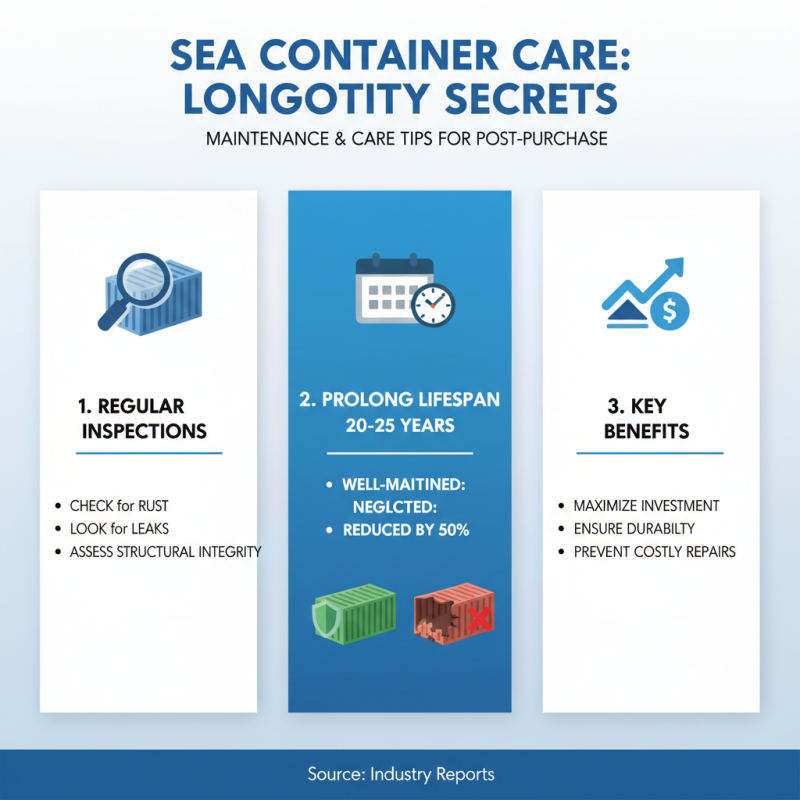
Maintaining a sea container is crucial for longevity. A well-maintained container can last 20 to 25 years. Regular inspections are essential. Look for rust, leaks, and structural integrity. Reports indicate that neglect can reduce a container's lifespan by up to 50%.
Let's dive into some tips for proper care. Keep the container dry to prevent rust. Moisture causes corrosion. Use a dehumidifier if you store items inside. Moreover, apply a protective coating to high-risk areas. This will shield against harsh weather.
Check the seals frequently. Damaged seals can lead to water damage. Replace seals when necessary to keep items intact. Periodically clean the exterior to maintain appearance. A clean surface can help you spot issues more easily. Remember, while sea containers are robust, consistent care is key to maximizing their utility.