Why Shipping Container Construction is the Future of Sustainable Building Solutions
As the world grapples with pressing environmental challenges, innovative solutions in the construction industry are imperative. Shipping container construction has emerged as a frontrunner in sustainable building practices, offering an eco-friendly alternative that significantly reduces waste and energy consumption. According to a 2021 report by Allied Market Research, the global green building market is projected to reach $96 billion by 2027, driven in part by the adoption of modular and sustainable construction methods like shipping container architecture. This trend not only aligns with the growing demand for sustainable building solutions but also indicates a shift in how we perceive conventional construction techniques.
Incorporating repurposed shipping containers into building designs allows for a more efficient use of resources, significantly cutting down the carbon footprint associated with traditional construction materials. A study from the International Journal of Environmental Science and Technology highlights that utilizing shipping containers can reduce CO2 emissions by up to 80% when compared to traditional building materials. Given the increasing pressure to develop structures that are both cost-effective and environmentally responsible, shipping container construction stands out as a viable pathway towards meeting sustainability goals in the building sector. As we approach 2025, recognizing the advantages of this innovative approach will be crucial for stakeholders committed to contributing to a greener future.

Advantages of Shipping Container Construction in Sustainable Architecture
Shipping container construction offers a multitude of advantages that position it as a leading solution in sustainable architecture. One of the most significant benefits is its ability to utilize materials that are often discarded, thereby promoting recycling and minimizing waste.
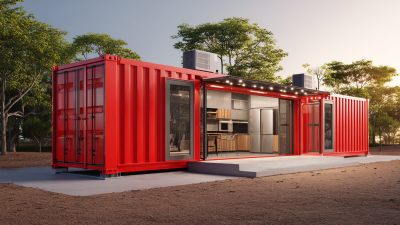
These steel frames are not only durable but also provide excellent structural integrity, making them suitable for diverse climatic conditions. Furthermore, the modular nature of shipping containers allows for rapid assembly and flexibility in design, catering to a variety of functional needs, from affordable housing to portable offices and medical clinics.
Moreover, the cost-effectiveness of shipping container construction cannot be overlooked. The savings in materials and labor, combined with the potential for eco-friendly design features, make it an attractive option for developers and communities alike. The ability to deploy these containers quickly in disaster relief scenarios also highlights their versatility and efficiency. As the demand grows for sustainable and adaptable building solutions, shipping container architecture stands out as a pragmatic choice that meets both economic and environmental needs.
Innovative Designs: Creative Possibilities with Shipping Containers
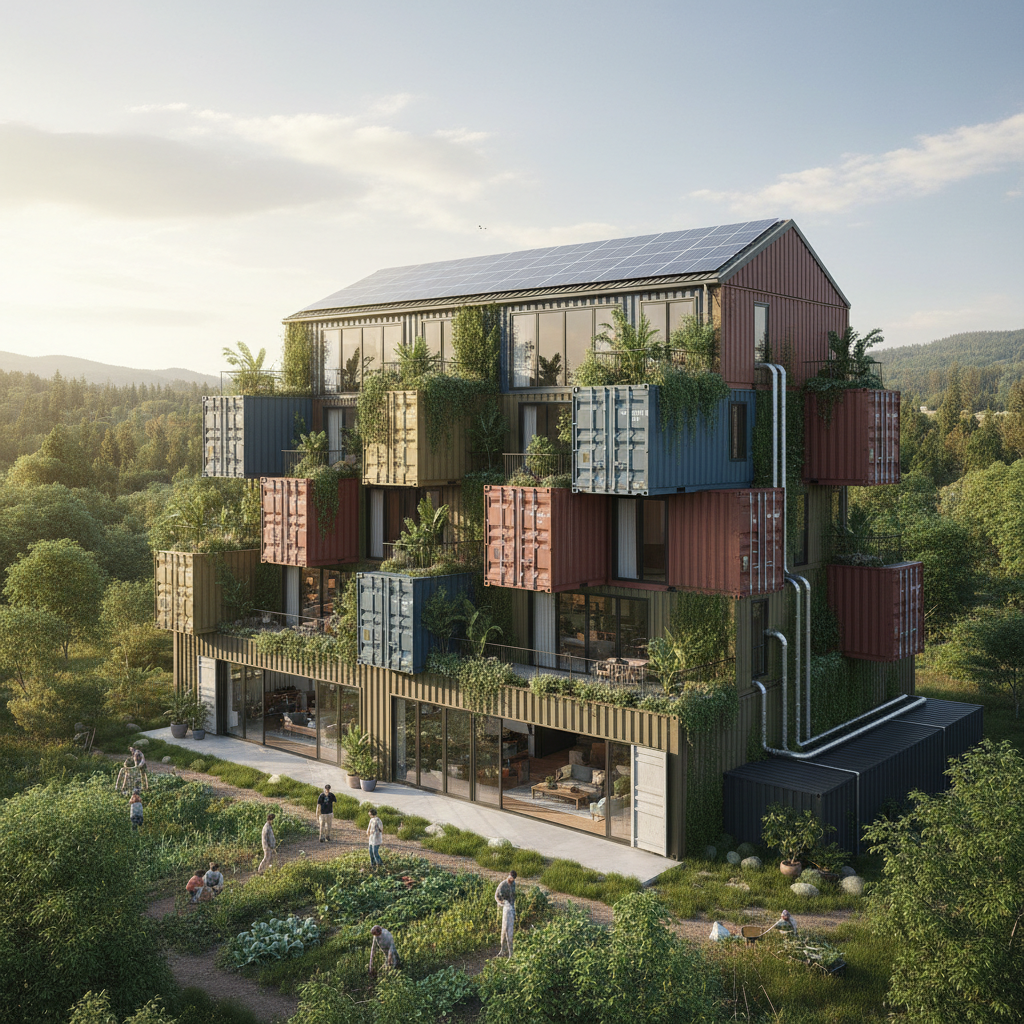
Innovative designs are reshaping the landscape of sustainable building solutions, particularly through the use of shipping containers. With their modular nature, containers allow for creative architectural expressions while minimizing waste and energy consumption. Recent projects illustrate the versatility of container structures, such as the innovative transformation into vertical farming spaces that optimize space utilization and incorporate cutting-edge agricultural technology. This not only promotes sustainable practices but also addresses food security issues in urban areas.
Tips: When considering shipping container constructions, think about the local climate and choose designs that maximize natural ventilation and insulation. Combining containers with renewable energy sources can further enhance sustainability efforts.
Another exciting application of shipping containers can be found in urban cultural and creative spaces. In cities like Tianjin and Xi'an, container-based venues are emerging as vibrant hubs for social interaction and artistic expression. These areas attract young entrepreneurs and cultural enthusiasts, offering a unique blend of shopping, dining, and community engagement, all while promoting sustainable urban development.
Tips: Emphasizing the reuse of materials in your designs can significantly reduce the overall carbon footprint. Engage with local artists and businesses to create spaces that reflect the community's identity and values.
Cost-Efficiency: Comparing Expenses of Traditional vs. Container Buildings
Shipping container construction is becoming an increasingly popular choice as a cost-effective alternative to traditional building methods. According to a report by the McKinsey Global Institute, the average cost of constructing a commercial building can be around $150 per square foot, while transforming a shipping container into livable or usable space can reduce costs to approximately $70 to $100 per square foot. This significant reduction is often attributed to the structural efficiency of containers and the speed of prefabrication, allowing for quicker project completion and reduced labor costs.
Moreover, a study by the National Institute of Standards and Technology (NIST) indicated that building with shipping containers can result in savings of up to 30% on construction costs when compared with traditional methods. This is not only beneficial for tight budgets but also for developers looking to maximize profit margins. In addition, shipping containers are inherently durable and resistant to various environmental factors, further minimizing long-term maintenance expenses. As the demand for affordable housing and sustainable solutions continues to grow, the financial advantages of shipping container construction will likely drive its adoption in the market.
Environmental Impact: Reducing Waste and Carbon Footprint
Shipping container construction presents a revolutionary approach to sustainable building, particularly in minimizing environmental impact. Reports estimate that traditional construction activities contribute to approximately 40% of global carbon emissions. In stark contrast, repurposing shipping containers can significantly reduce this footprint. By utilizing existing materials, the need for new resources is diminished, leading to a 60% reduction in resource use compared to conventional construction methods.
Moreover, shipping container homes can be built in a fraction of the time, often cutting construction time by over 50%. This rapid assembly not only speeds up the process but also lowers on-site waste. According to a survey by the International Institute of Sustainable Development, using shipping containers as building blocks results in up to 90% less material waste. This transformation in building practices not only addresses housing shortages but also supports eco-friendly initiatives, making container homes an ideal solution for urban areas facing rapid development and environmental challenges.
Environmental Impact of Shipping Container Construction
Community Resilience: Shipping Containers as Solutions for Urban Housing Crisis
As urban centers continue to expand, the housing crisis intensifies, demanding innovative and sustainable solutions.
Shipping container construction emerges as a compelling answer, providing both affordability and versatility.
These repurposed containers can be transformed into stylish, functional living spaces that address the urgent need for housing in densely populated areas.
By utilizing these readily available materials, cities can reduce construction costs and shorten build times, making it easier to respond to the growing demand for urban housing.
Moreover, shipping containers promote community resilience by fostering adaptive reuse and sustainability.
Their modular nature allows for creative designs that can be tailored to specific community needs, whether through development of micro-apartments or larger multi-family residential complexes.
This flexibility contributes to healthier urban ecosystems, as communities are empowered to create diverse living spaces without compromising on green principles.
By integrating shipping container solutions into urban planning, cities can pave the way for environmentally friendly construction practices that also support social cohesion, ultimately enhancing the livability of our urban environments.