Are Shipping Container Storage Units Worth the Investment?
As urban spaces become more crowded, the demand for innovative storage solutions has surged. Shipping container storage units emerge as a viable option. These units are not just metal boxes; they can provide secure, versatile storage for both personal and commercial use. Expert Alan Peters, a leading authority in modular storage solutions, states, "Shipping container storage units are redefining how we think about space."
Many individuals and businesses are considering this investment. However, is it truly worth it? The initial costs can seem steep. Yet, the long-term benefits can outweigh these expenses. Shipping container storage units offer durability, flexibility, and affordability compared to traditional storage facilities. They can be customized for various purposes, from storage to creative spaces.
Yet, potential buyers must reflect. Are they ready to maintain such a unit? Factors like location and local regulations play significant roles. While these containers can be an excellent solution, the investment requires careful consideration. The right approach can lead to significant rewards, but hasty decisions might lead to frustration.

Understanding Shipping Container Storage Units: An Overview
Shipping container storage units have gained popularity for various reasons. They provide a flexible solution for space needs. According to the Self Storage Association, the U.S. storage industry is valued at over $38 billion, showing a growing demand for innovative storage solutions. Shipping containers offer a secure, weather-resistant option for both personal and commercial use. Their versatility can adapt, from temporary storage during a move to long-term solutions for businesses.
Investing in shipping container storage can be cost-effective but requires careful planning. A standard used container costs between $1,500 to $3,000. This upfront investment offers a durable storage solution. However, hidden costs, such as permits, land leases, and modifications, can accumulate quickly. Many users overlook these aspects, leading to unexpected expenses down the road.
In urban areas, where space is limited, containers can still be a viable option. They utilize cubic space effectively, fitting into tight spots. However, regulatory hurdles can arise, leading to restrictions on placement or use. Understanding local regulations is key. Although appealing at first glance, the investment must align with practical needs. Being aware of the potential downsides helps in making informed decisions.
Cost Comparison of Shipping Container Storage Units vs. Traditional Storage Units
This bar chart illustrates the average monthly costs of using shipping container storage units compared to traditional storage units. As shown, shipping container storage units can offer a more budget-friendly alternative, making them a worthwhile investment for individuals and businesses seeking storage solutions.
Cost Analysis of Shipping Container Storage Units: Are They Worth It?
Shipping container storage units can be a practical solution for many. Their cost-effectiveness is often highlighted. According to a 2022 report by the Modular Building Institute, the average cost of a new shipping container ranges from $2,000 to $5,000. When considering additional expenses like delivery and modifications, the total investment could reach $6,000 to $15,000. This upfront cost can be significant, but the longevity of containers often offsets initial expenses.
Investors should assess their needs carefully. While the initial investment might seem daunting, shipping containers can serve multiple purposes. They can be transformed into offices, workshops, or even homes. They are durable and typically last around 25 years, providing long-term value. However, potential buyers should consider maintenance. Corrosion and weathering can lead to additional costs.
Tips: Inspect containers thoroughly before purchase. Look for rust, dents, or structural issues. If considering customization, obtain multiple quotes to ensure competitive pricing. Understand local zoning laws, as they can affect usability. Investing in shipping containers can be worthwhile, but it's crucial to do due diligence.
Advantages of Investing in Shipping Container Storage Units
Investing in shipping container storage units can be a smart decision. These units are durable, weather-resistant, and secure. According to a report by the Self Storage Association, the self-storage industry has consistently grown over the past decade. This growth highlights the increasing demand for versatile storage solutions. Container units offer a unique alternative, often at a lower cost compared to traditional storage facilities.
One significant advantage of shipping containers is their mobility. They can be relocated as needed, providing flexibility that fixed storage options do not. Additionally, they are customizable. Many owners modify their containers for various purposes, from offices to workshops. Data from various industry sources suggest that this adaptability drives higher resale values, often exceeding initial investments by up to 50%.
Despite these benefits, potential buyers should consider drawbacks. Not all containers are created equal. Some may require modifications or maintenance, adding to initial costs. Ensuring proper ventilation and insulation is also crucial for long-term use. A recent survey highlighted that 30% of container users faced issues related to weatherproofing and pest control. This statistic serves to remind investors that while the opportunities are promising, careful consideration is vital.
Are Shipping Container Storage Units Worth the Investment? - Advantages of Investing in Shipping Container Storage Units
| Advantage |
Description |
Potential ROI |
Maintenance Cost |
| Cost-Effective |
Lower initial investment compared to traditional storage solutions. |
10-30% |
Low |
| Durability |
Made of corten steel, they are resistant to weather and pests. |
15-35% |
Minimal wear and tear |
| Versatility |
Can be used for various purposes including storage, workshops, and mobile offices. |
Varies based on use |
Varies |
| Security |
Lockable and sturdy, providing a safe storage option. |
20-40% |
Low |
| Mobility |
Can be relocated easily to meet changing needs. |
10-25% |
Low |
Potential Drawbacks and Risks of Using Shipping Container Storage Units
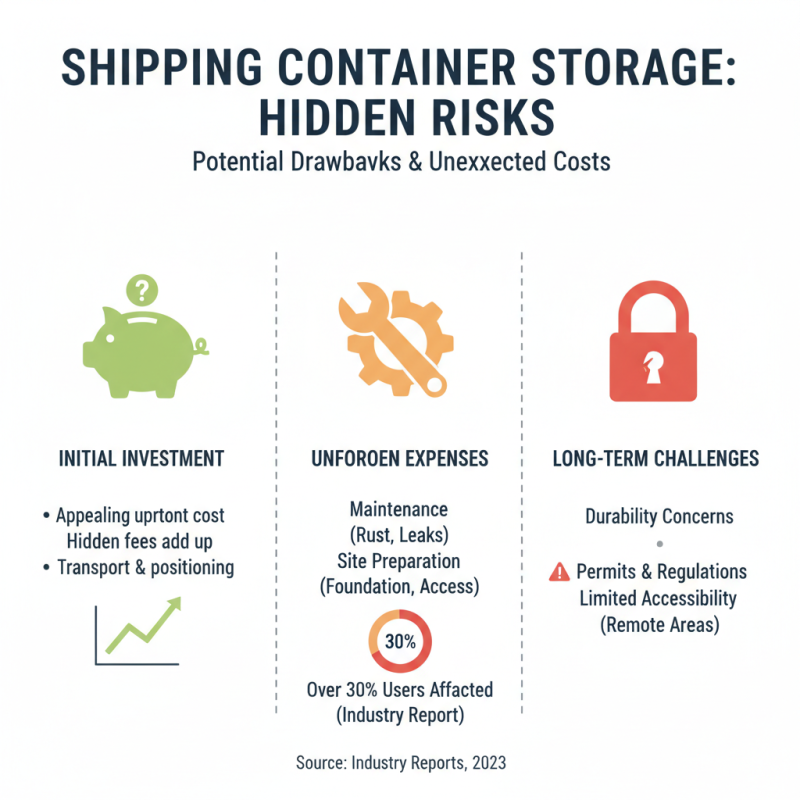
When considering shipping container storage units, potential drawbacks should not be overlooked. While these units offer flexibility and can be cost-effective, challenges exist. The initial investment may seem appealing, but hidden costs can arise. For example, transporting and positioning the containers incurs fees that quickly add up. According to industry reports, over 30% of users encounter unforeseen expenses related to maintenance and site preparation.
Weather-related issues pose another significant risk. Containers are durable, yet they are not immune to rust and corrosion if not properly maintained. Studies indicate that, without adequate weatherproofing, long-term storage could lead to structural damage. Additionally, ventilation concerns must be addressed to prevent moisture buildup, which can affect stored items.
Security is also a critical concern. Although containers are sturdy, they are not impervious to theft. Reports show that nearly 25% of storage container users experience security breaches. Investing in additional security measures, like locks or surveillance systems, can significantly increase overall costs. These factors complicate the decision-making process for potential investors, leading to a careful evaluation of their true value.
Practical Tips for Getting the Most Out of Your Shipping Container Investment
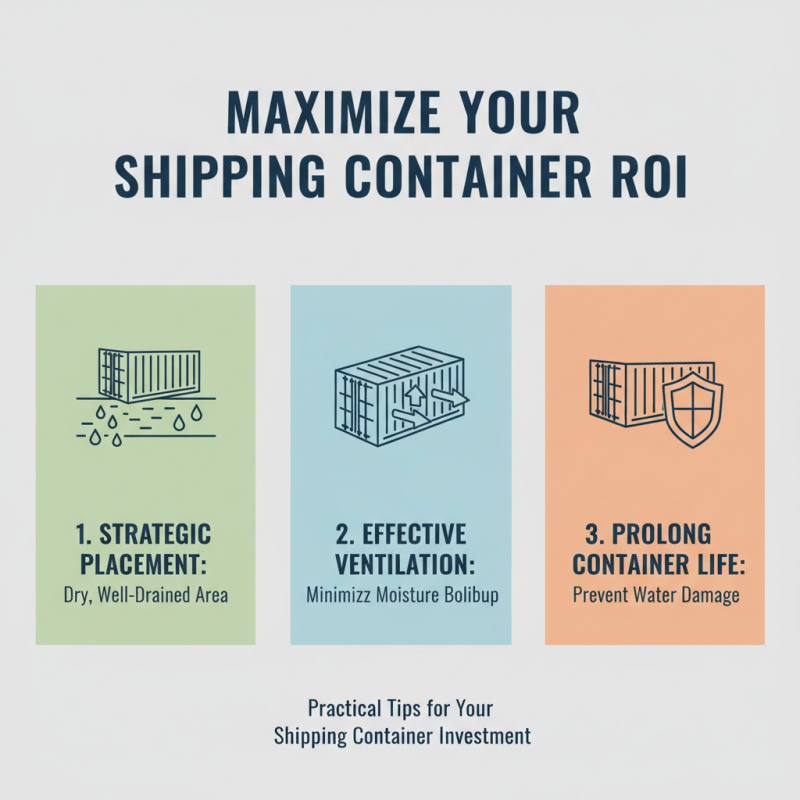
Investing in shipping container storage units can be a smart choice for many individuals and businesses. To maximize your investment, consider strategic placement. Locate your container in a dry, well-drained area. This will prevent water damage and prolong the container's life. Effective ventilation is also key. It can help minimize moisture buildup inside the container.
Maintenance is another critical aspect. Regularly inspect your container for rust or dents. Address any issues promptly to avoid costly repairs later. Additionally, using a good-quality lock will enhance security. While container storage is versatile, it requires some planning. Think about your storage needs and future accessibility before making a purchase. Will you need frequent access? If so, easy entry points are vital.
Customization can add value. Consider shelving or interior organization solutions. These can help you utilize every bit of space effectively. While the initial investment might seem significant, these practical tips ensure you derive the most value. Shipping containers can serve numerous purposes, but only if you treat them well. Reflect on how you intend to use your container, and remain flexible as needs change.