10 Container Storage Tips for Global Buyers?

For global buyers, container storage is more than placing steel boxes on available land. It involves weather exposure, access planning, security, handling equipment, and changing delivery schedules. A poorly selected site can turn a low-cost purchase into repeated transport charges. Water may collect beneath a container after one storm. A narrow gate can delay every future movement.

John Manners-Bell, a recognized supply-chain analyst and CEO of Transport Intelligence, has said, “Resilience is not about avoiding disruption; it is about being able to respond to it.” That principle guides this practical overview. The following tips examine location, ground preparation, ventilation, inspection, locking systems, stacking limits, insurance records, and supplier communication. Each detail matters when containers cross borders and serve different business conditions.

Good storage decisions also require honest self-review. The cheapest yard is not always efficient. The nearest depot may lack lifting equipment. A dry climate can still create condensation inside a closed unit. These risks are easy to underestimate. They become expensive later.

This guide is written for buyers comparing suppliers, yards, and operating plans. It focuses on safe, lawful, and documented practices. Conditions differ by country and site. Therefore, buyers should verify local requirements with qualified professionals. No checklist is perfect. However, a clear storage plan can reduce avoidable damage, handling delays, and unexpected costs. Small observations often protect large investments.
10 Container Storage Tips for Global Buyers?

Choosing the Right Container for International Storage Needs

Choosing the right container starts with the cargo, not the lowest quoted price. UNCTAD’s Review of Maritime Transport 2023 reports that over 80% of global merchandise trade by volume moves by sea. That scale makes container selection a practical risk decision. A standard 20-foot container offers roughly 33 cubic metres, while a 40-foot unit provides about 67 cubic metres. Measure twice. A larger box may leave costly empty space and create shifting risks during handling.

Match the container to storage conditions. Dry goods usually suit a standard, wind-and-watertight unit. Machinery may need wider doors, stronger flooring, or ramp access. Sensitive products require controlled temperature and humidity, but powered equipment also needs reliable electricity and inspection records.

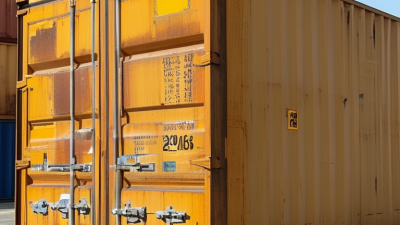
Airflow matters. Check the CSC safety plate, maximum gross weight, door seals, floor condition, and previous cargo history before signing. ISO container standards support consistent dimensions, yet condition still varies between individual units.

International buyers should also compare loading plans, local handling capacity, and expected storage duration. The World Bank’s Logistics Performance Index 2023 shows major differences in logistics reliability between economies. A container that works well at origin may become inconvenient at the destination. Leave clearance around walls, use pallets, and keep cartons away from damp floors. My own practical rule is conservative: choose verified condition before extra volume. Estimates can be wrong. Recheck the cargo’s weight, centre of gravity, ventilation needs, and insurance requirements with a qualified surveyor before shipment.

Preparing Containers for Safe and Efficient Long-Term Storage

Long-term container storage starts with a dry, sound unit and a suitable site. Inspect roof seams, door gaskets, corner posts, and flooring for leaks, corrosion, or soft spots. Open the doors briefly after rain and check for damp smells or water marks. Small details matter. Place the container on level supports above standing water, with airflow around its sides and doors. Never seal moisture inside.

Moisture control needs regular checks, not a one-time fix. Use suitable desiccants or ventilation for the local climate, and record inspection dates and readings. Keep stored goods off the floor on clean pallets. Leave space between cargo and walls, where condensation can collect. The World Shipping Council’s 2023 report recorded 221 containers lost at sea, a reminder that container handling and condition deserve attention throughout the supply chain. That figure does not measure storage damage, so it should not be treated as a storage-risk estimate.

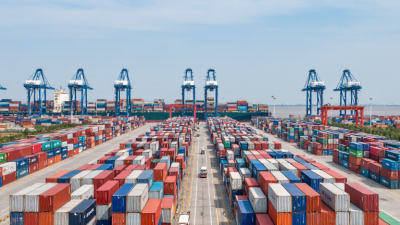
UNCTAD’s Review of Maritime Transport 2024 reports global container-port throughput of about 858 million TEU in 2023, highlighting the scale of container logistics. For buyers, a simple inspection log helps preserve condition across long storage periods. Note the weather, visible rust, door operation, and any moisture inside. I still find seal checks easy to overlook. Recheck them after heavy rain or sudden temperature changes, and repair small defects before they spread.

Managing Moisture, Temperature, Security, and Ventilation

10 Container Storage Tips for Global Buyers

Moisture causes quiet damage. Tip 1: Inspect the container floor, roof, doors, and seals before loading. Tip 2: Reject visible leaks, strong odors, or wet surfaces. Tip 3: Place cartons on pallets, not directly on the floor. Tip 4: Add suitable desiccants after checking the cargo’s material needs. Tip 5: Leave small air gaps between cartons and walls. Air needs room.

Temperature can change quickly during ocean transport and inland storage. Tip 6: Use a simple temperature logger for sensitive goods. Tip 7: Keep containers away from direct sunlight when possible. Tip 8: Avoid mixing cargo with different temperature requirements. A metal container can become extremely hot inside. I have seen packaging weaken even when the outside weather felt mild. That experience changed how I plan loading space.

Security also depends on routine, not only a seal. Tip 9: Record the seal number, loading time, and container condition with photos. Tip 10: Limit access and inspect the container after storms, long stops, or unusual delays. Ventilation needs care, too. Opening doors in humid weather may introduce more moisture. Follow the cargo instructions and destination requirements. No checklist is perfect. Review it after every shipment. Small oversights often become expensive claims.

Organizing Stored Goods for Access, Protection, and Inventory Control

10 Container Storage Tips for Global Buyers

Global buyers need storage systems that support access, protection, and accurate inventory control. UNCTAD’s Review of Maritime Transport 2023 reports that over 80% of global merchandise trade moves by sea. That scale makes container organization a practical risk-control issue. In container audits, I have seen cartons hidden behind newer shipments and labels damaged by condensation. Store fast-moving goods near the doors, but keep fragile items away from shifting cargo. Leave a clear inspection path. Use large, moisture-resistant labels with item codes, quantities, origin, and receiving dates. Color bands can separate product families without replacing written records.

Protection also depends on physical spacing. Keep cartons off the floor with pallets or stable platforms. Avoid pressing boxes against container walls. Airflow reduces moisture risks, especially during temperature changes. Do not overstack based only on carton appearance. Check compression strength and place heavier units below lighter ones. A small gap around each stack helps inspections. It may reduce capacity slightly, but damaged goods cost more than unused space.

Inventory control requires discipline after unloading. WERC’s 2023 DC Measures report identifies 99.5% inventory accuracy as a best-in-class benchmark. Record every movement immediately, including partial-case withdrawals. Scan labels when possible, then verify exceptions manually. Photograph damaged packaging before relocation. Review aging stock weekly and flag items nearing quality limits. Our early layouts favored maximum fill, and access suffered. That mistake remains worth remembering: a full container is not always an efficient container.

10 Container Storage Tips for Global Buyers: Organizing Stored Goods for Access, Protection, and Inventory Control

Chart insight: Larger containers provide more nominal internal volume, but effective storage depends on aisle space, load stability, packaging protection, and inventory visibility. Actual dimensions and payload limits vary by equipment and carrier.

  1. Assign a clear location code to every carton, pallet, or storage zone.
  2. Keep frequently accessed goods nearest to the container doors.
  3. Place heavy goods on the bottom and lighter goods above them.
  4. Use pallets, dunnage, or shelving to keep cargo off the container floor.
  5. Maintain access paths for inspection and retrieval.
  6. Separate products by SKU, batch, purchase order, or destination.
  7. Apply FIFO or FEFO rotation rules where product age matters.
  8. Protect moisture-sensitive goods with suitable wrapping and desiccants.
  9. Record quantities during loading and reconcile them during unloading.
  10. Photograph the loading condition and seal number for traceability.

Inspecting Containers and Maintaining Compliance Across Global Markets

Global buyers should treat container inspection as a compliance control, not a cosmetic check. UNCTAD’s Review of Maritime Transport 2024 states that over 80% of global merchandise trade by volume moves by sea. A damaged container can therefore affect several markets, documents, and delivery schedules. Check the container number, CSC safety-approval plate, floor, roof, corner posts, doors, locking bars, and rubber seals. Photograph each area before loading. A small roof puncture can become visible water damage after ocean transit.

Use a written inspection standard for every supplier and destination. Record rust severity, floor contamination, odour, light penetration, and previous repair marks. The World Bank’s Logistics Performance Index 2023 covered 139 economies and assessed six logistics dimensions, including customs, infrastructure, tracking, and timeliness. These differences matter. One country may accept a minor dent, while another requires stronger evidence before release. Confirm destination rules, packing limits, marking duties, and document requirements with a qualified local professional. Do not rely on an old checklist.

Keep inspection records with commercial documents and loading photographs. Timestamped evidence helps resolve disputes and supports internal audits. No checklist is perfect. A rushed inspection can still miss hidden moisture beneath plywood. Open both doors, inspect in daylight, and use a moisture meter when cargo sensitivity justifies it. Leave questionable units aside until a competent inspector reviews them. Small delays are cheaper than rejected cargo.

10 Container Storage Tips for Global Buyers: Inspecting Containers and Maintaining Compliance Across Global Markets

No. Storage or Inspection Area Practical Check Why It Matters Compliance Consideration
1 Choose a suitable storage location Use a firm, level surface with drainage. Keep the container clear of standing water, overhanging branches, and vehicle impact zones. Stable ground helps reduce movement, water pooling, and avoidable damage to the container. Check local zoning, site-permit, fire-access, and environmental rules before placing containers on a site.
2 Inspect the roof, walls, and floor Look for holes, corrosion, dents, damaged floorboards, and signs of water entry. Inspect from inside in daylight, where safe to do so. Small openings or floor damage can expose stored goods to moisture, pests, or handling hazards. Record the container’s condition at receipt and retain dated photographs and inspection notes for claims and audits.
3 Check doors, seals, and locking gear Open and close both doors; check hinges, locking bars, handles, and gaskets. Confirm doors close evenly and seals are not visibly torn. Functional doors help protect cargo from weather and support secure storage. For customs-controlled or high-security cargo, follow the applicable seal-control and access-record procedures.
4 Keep cargo dry and manage condensation Store only dry goods and packaging. Use suitable ventilation or moisture-control measures when appropriate, and avoid blocking ventilation openings. Temperature changes can cause condensation, which may damage cartons, metal goods, and other moisture-sensitive cargo. Follow product-specific storage requirements and any destination-market rules for packaging or handling materials.
5 Load and stack safely Distribute weight evenly, secure cargo against movement, and do not exceed the container’s marked payload or applicable transport limits. Uneven or unsecured loads can cause damage, instability, and safety risks during lifting and transport. Check the container’s data plate and relevant road, rail, or port requirements; do not rely on a generic weight limit.
6 Protect cargo from pests Keep food and other attractants in appropriate packaging, remove waste promptly, and inspect for pest activity during storage. Pest contamination can damage goods and lead to treatment, rejection, or disposal costs. Wood packaging used in international trade may be subject to ISPM 15 requirements. Verify the rules that apply to the shipment and destination.
7 Manage temperature-sensitive cargo Use a suitable temperature-controlled unit when required. Check its operating status, set point, power supply, and temperature records. Temperature excursions can affect product quality, safety, or shelf life. Use the product’s specified temperature range and retain monitoring records required by applicable food, pharmaceutical, or other sector rules.
8 Store hazardous materials correctly Identify the contents before storage, segregate incompatible materials, and keep required labels and safety information accessible. Improper segregation or handling can create fire, exposure, or environmental risks. Check the relevant local storage, fire, environmental, and dangerous-goods requirements; requirements vary by substance and jurisdiction.
9 Maintain a clear inspection and inventory trail Log container identification, condition, contents, inspection dates, access, maintenance, and any corrective action. Consistent records help teams trace goods, resolve damage issues, and demonstrate storage controls. Set retention periods and access controls in line with applicable customs, product-safety, privacy, and recordkeeping obligations.
10 Verify requirements before each market move Confirm destination-specific documentation, cargo descriptions, packaging, labeling, and any inspection or treatment requirements before dispatch. Rules and procedures can differ by country, commodity, and route; early checks help prevent delays and rework. Use current official guidance from the relevant customs, plant-health, transport, and product regulators. Requirements can change over time.
Scroll to Top