What is a Cargo Container and How is it Used?
Cargo containers are pivotal in global trade and logistics. In 2021, over 5.2 billion tons of cargo were transported via shipping containers worldwide. This immense figure underscores the essential role of cargo containers in modern supply chains. These standardized boxes facilitate efficient loading, unloading, and transportation of goods across vast distances.
The design and functionality of cargo containers have evolved significantly. Traditionally made from steel, they are built to withstand harsh conditions at sea. By providing a secure and uniform method of shipment, they have transformed the shipping industry. However, there are ongoing challenges associated with cargo containers. Issues like supply chain disruptions and the environmental impact of shipping are raising questions.
Understanding cargo containers is crucial for stakeholders in logistics and trade. Reports suggest that sustainable practices in container shipping are gaining momentum, highlighting the industry's need for improvement. As we explore the various uses of cargo containers, it is essential to reflect on where innovation is required.
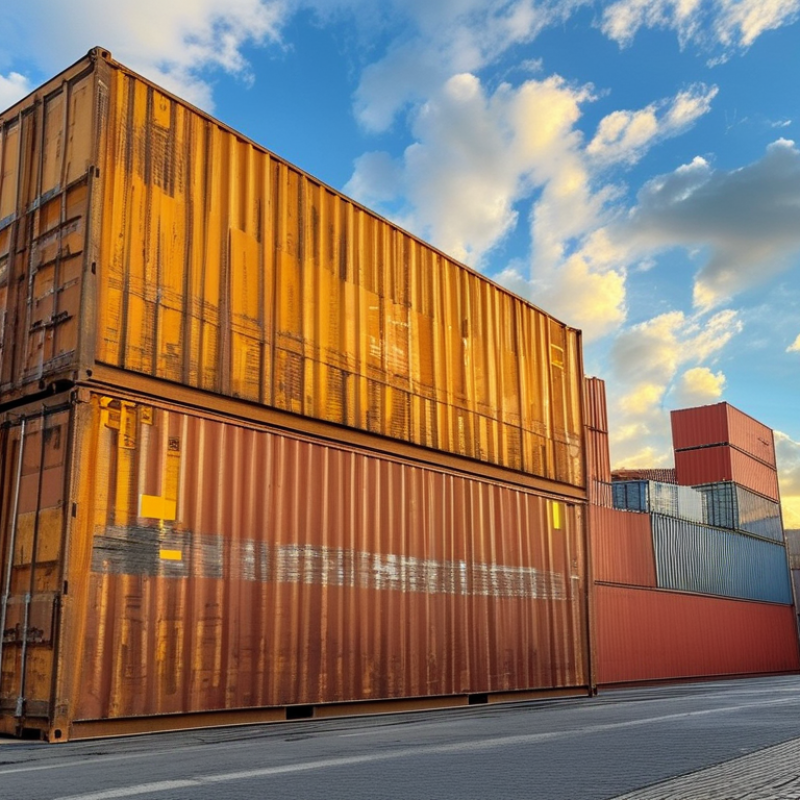
What is a Cargo Container? Definition and Types Explained
Cargo containers are essential for global trade. They are large, standardized boxes designed to store and transport goods. Containers come in various types, each serving specific purposes. The most common type is the dry container, which is used for transporting standard cargo, such as electronics or clothing. Flat-rack containers allow for oversized cargo, while refrigerated containers, or reefers, are used for perishable items like food.
When goods are shipped, containers are loaded onto ships, trucks, or trains. This system maximizes efficiency and reduces transport costs. However, not all containers are created equal. Over time, containers can sustain damage or wear. They might not be waterproof, leading to spoilage of sensitive products. It is crucial for businesses to routinely inspect and maintain their containers to prevent loss.
Understanding container specifications is critical. Each type has unique size and weight limits. Failure to adhere to these rules can result in fines or damaged goods. Proper training in container handling and loading is vital for workers in the shipping industry. Ensuring safety can mitigate risks, but challenges remain, and there is always room for improvement in container logistics.
Historical Evolution of Cargo Containers in Global Trade
The historical evolution of cargo containers marks a pivotal shift in global trade. In the 1950s, the introduction of standardized containers transformed shipping logistics. Before this innovation, loading and unloading cargo was a labor-intensive and time-consuming affair. Ships would take days to unload, creating bottlenecks in ports. According to the World Shipping Council, about 90% of global trade by volume now moves in containers.
Containers vary in size, but the standard dimensions of 20 and 40-foot units dominate the market. They facilitate efficient stacking and handling. A report by McKinsey highlights that container shipping reduced shipping times by almost 50%. This speed has increased global supply chain efficiency, impacting economies worldwide. However, not all ports are equipped to handle large container vessels. Some infrastructure still lags, creating unequal trade opportunities.
Despite successes, environmental concerns are rising. The shipping industry accounts for nearly 3% of global greenhouse gas emissions. As containerization continues to grow, the urgency to address sustainability cannot be overlooked. Innovations in eco-friendly container technology are necessary for a greener future. Balancing efficiency with environmental responsibility presents ongoing challenges for global trade.
Dimensions and Specifications: Standard Container Measurements
Cargo containers are essential in global trade. They enable efficient and secure transportation of various goods. Understanding their dimensions is crucial for optimizing space in shipping and storage.
Standard cargo containers come in various sizes. The most common dimensions include the 20-foot and 40-foot containers. A 20-foot container typically measures 20 feet long, 8 feet wide, and 8.5 feet high. This size provides a volume of around 1,172 cubic feet. The 40-foot container is double the length, offering twice the volume. It stands at a similar height but can also come in a high-cube variation, increasing the height to 9.5 feet.
These specifications are vital for planning shipments. Efficient loading ensures reduced costs and minimizes damage during transport. However, not all cargo fits well in standard containers. Fragile items may require special handling and packaging. The rigidity of container dimensions can also limit loading flexibility. Understanding these aspects can enhance overall logistics strategies.
What is a Cargo Container and How is it Used? - Dimensions and Specifications
| Container Type |
Length (ft) |
Width (ft) |
Height (ft) |
Volume (cu ft) |
Weight Limit (lbs) |
| Standard Container |
20 |
8 |
8.5 |
1,169 |
48,000 |
| High Cube Container |
40 |
8 |
9.5 |
2,694 |
67,200 |
| Reefers (Refrigerated Containers) |
40 |
8 |
9.5 |
2,694 |
61,000 |
| Flat Rack Container |
40 |
8 |
8.5 |
2,690 |
60,000 |
| Open Top Container |
40 |
8 |
8.5 |
2,690 |
58,000 |
The Role of Cargo Containers in Supply Chain Management
Cargo containers play a crucial role in modern supply chain management. They provide a standardized method for transporting goods over long distances. According to the International Maritime Organization, about 90% of global trade is carried by sea, and containers are at the heart of this process. These robust units enhance efficiency and security, offering protection against damage and theft during transit.
Data from the World Bank indicates that reducing barriers in container shipping can significantly increase trade. For instance, a mere 10% reduction in shipping costs can raise trade volumes by up to 20%. This immense impact underscores containers' importance. However, challenges remain. Many ports struggle with congestion and inefficiency, partly due to outdated infrastructure. As supply chains evolve, addressing these issues becomes vital.
The growth of e-commerce is also changing how cargo containers are used. Companies require faster delivery methods to meet consumer demands. This shift puts additional pressure on logistics and transportation frameworks. Innovating within the container shipping industry is essential to keep pace with these changes. Balancing efficiency, cost, and sustainability remains an ongoing challenge that needs careful consideration.
Environmental Impact and Sustainability of Cargo Container Usage
Cargo containers play a crucial role in global trade, but their environmental impact cannot be ignored. These steel structures are designed for efficiency, yet their production and transportation contribute to carbon emissions. The manufacturing process often relies on energy-intensive methods, resulting in a significant carbon footprint. Moreover, the ships used to transport these containers burn fossil fuels, exacerbating air pollution and climate change.
However, there is potential for sustainability in cargo container usage. Many companies are exploring eco-friendly materials and methods for producing containers. Some are looking into using renewable energy sources for shipping. Innovative designs focus on enhancing container longevity to reduce waste. Recycling programs for old containers also offer an avenue for minimizing environmental harm.
It is essential to address the complexities involved. While recycling can mitigate some waste, not all containers are repurposed effectively. The shipping industry continually faces challenges in reducing emissions. Striking a balance between efficiency and environmental responsibility remains a significant hurdle. As the world moves toward more sustainable practices, the cargo container industry must adapt and innovate.