
China Top 10 Container Storage Manufacturers?
China has become a major source of container storage solutions for construction, logistics, retail, agriculture, and emergency facilities. Its manufacturers offer steel shipping containers, modular storage units, insulated models, and customized systems. However, factory size alone does not prove quality.
A reliable comparison must examine more than price. We will review material thickness, welding consistency, corrosion protection, door security, ventilation, load capacity, and customization. Delivery experience also matters. A well-built unit should arrive square, dry, and ready for practical use. Small details matter, especially hinges, locking bars, floor treatment, and roof drainage.
As container-equipment consultant Mike Wilson observes, “A container is not just a box; it is a long-term asset.” This principle guides our review of China’s top 10 container storage manufacturers. Each company should be assessed through documented specifications, production experience, quality controls, export capability, and customer support.
The market is not perfectly uniform. Some suppliers present impressive catalogs but provide limited technical evidence. Others have fewer marketing claims and stronger factory discipline. That difference deserves attention. Buyers should request drawings, inspection records, sample photos, and clear warranty terms before placing an order.
This guide is designed for importers, distributors, contractors, and businesses seeking dependable container storage. It highlights manufacturers with practical strengths, while recognizing that no supplier fits every project. A low-cost unit may suit temporary use. A reinforced model may be wiser for harsh weather, frequent access, or long-term storage. Performance should lead the decision, not promotional language.
What Are Container Storage Manufacturers?
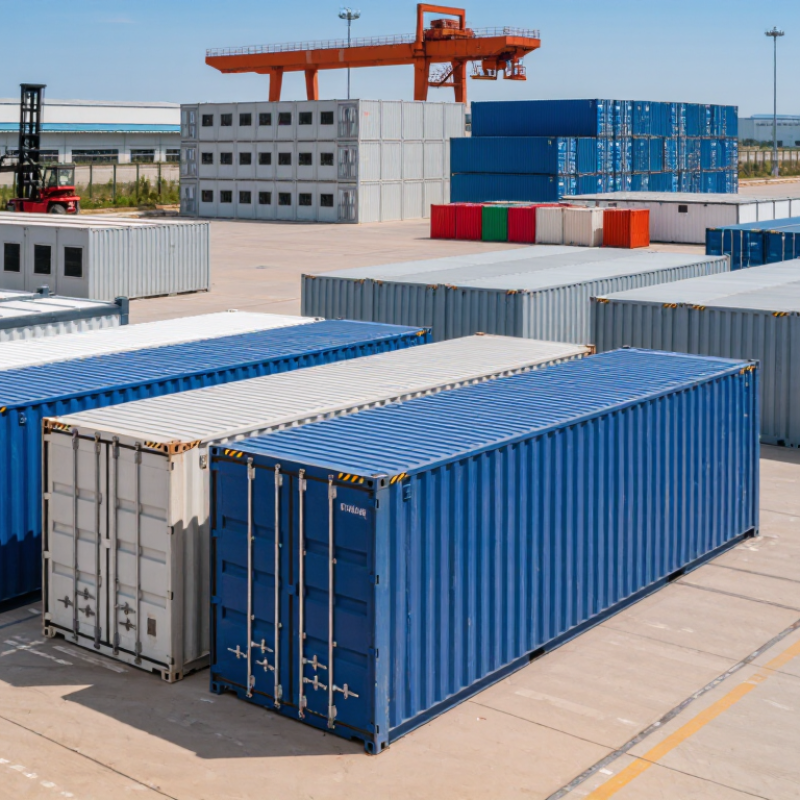
Container storage manufacturers are companies that design, fabricate, and supply containers for organized storage. Their products may serve warehouses, construction sites, farms, retailers, and temporary facilities. A manufacturer usually manages material selection, cutting, welding, surface treatment, assembly, and quality inspection.
Reliable manufacturers understand that storage needs differ by climate and workload. They may offer steel containers with reinforced doors, ventilation openings, lockable panels, shelving supports, or insulation. Weather-resistant coatings help reduce rust in wet environments. Drainage design matters too. Water trapped around door frames can create problems before users notice them.
Professional evaluation should look beyond appearance. Check steel thickness, weld consistency, hinges, seals, floor strength, and load ratings. Ask for inspection records and material documentation. Factory testing can reveal poor alignment or weak closures. Delivery planning also matters because a strong container is useless if it cannot reach the installation site safely.
A practical buyer should compare service experience, not only price. Clear drawings, responsive communication, spare-part support, and realistic lead times show operational maturity. Still, no manufacturer is perfect. A detailed catalog may hide small design limitations. I would inspect a sample unit before placing a large order, especially when the container will face heavy use or harsh weather. Performance depends on maintenance too. Even a well-built unit can deteriorate when doors remain open, drainage is blocked, or corrosion is ignored.
| No. | Anonymous Manufacturer Profile / Product Type | Typical Nominal Size | Approx. External Dimensions (L × W × H) |
Approx. Internal Volume | Typical Storage or Handling Use | Relevant Technical Standard or Feature |
|---|---|---|---|---|---|---|
| 1 | Standard Dry Storage Container | 20-foot | 6,058 × 2,438 × 2,591 mm | About 33 m³ | General cargo storage, tools, spare parts, construction materials and warehouse overflow | Common ISO freight-container format; lockable steel doors and corrugated corten-steel construction |
| 2 | Standard Dry Storage Container | 40-foot | 12,192 × 2,438 × 2,591 mm | About 67 m³ | Large-volume inventory storage, retail stock, machinery and industrial equipment | ISO-compatible footprint; suitable for stacking and intermodal transport when structurally certified |
| 3 | High-Cube Dry Storage Container | 40-foot high cube | 12,192 × 2,438 × 2,896 mm | About 76 m³ | Bulky goods, tall shelving systems, furniture and high-volume warehouse storage | Provides approximately 305 mm more external height than a standard 40-foot container |
| 4 | High-Cube Dry Storage Container | 45-foot high cube | About 13,716 × 2,500 × 2,896 mm | About 86 m³ | High-capacity storage where additional floor area and internal height are required | Requires compatible transport, handling and site clearances; dimensions may vary by specification |
| 5 | Open-Top Storage Container | 20-foot | About 6,058 × 2,438 × 2,591 mm | About 32 m³ | Top-loading storage for scrap metal, timber, stone, machinery and oversized cargo | Removable roof bows and a tarpaulin roof allow crane loading from above |
| 6 | Side-Opening Storage Container | 20-foot | About 6,058 × 2,438 × 2,591 mm | About 33 m³ | Retail displays, workshop storage, event equipment and goods requiring wide access | Large side doors improve access to palletized or long items; door configuration is manufacturer-specific |
| 7 | Double-Door Storage Container | 40-foot | 12,192 × 2,438 × 2,591 mm | About 67 m³ | Through-loading storage, inventory rotation and access from both ends of a site | Door sets at both ends can reduce unloading time and improve stock organization |
| 8 | Insulated or Reefer Storage Container | 40-foot high cube | About 12,192 × 2,438 × 2,896 mm | About 67 m³ | Temperature-sensitive products, food ingredients, pharmaceuticals and chilled inventory | Insulated panels and refrigeration equipment; operating temperature depends on the unit and power supply |
| 9 | Flat-Rack Equipment Storage Unit | 40-foot | About 12,192 × 2,438 × 2,591 mm | Not enclosed | Oversized machinery, steel products, pipes and project cargo storage | Collapsible end walls and reinforced lashing points; weather protection is limited unless covered separately |
| 10 | Container-Based Modular Storage Unit | 20-foot or 40-foot | Based on selected ISO container size | About 33–67 m³ | Site offices, secure workshops, mobile warehouses and customized storage rooms | May include insulation, lighting, shelving, ventilation, personnel doors, windows and electrical systems |
Related Posts
-

Transform Your Space: Innovative Uses for Storage Shipping Containers in Urban Living
-
Are Shipping Container Storage Units Worth the Investment?
-
10 Container Storage Tips for Global Buyers?
-
How to Choose Freight Containers for Shipping in 2026?
-

Best Large Container Solutions for Global Buyers to Consider?
-
How to Choose the Best Container Storage Solutions for Your Needs